Rye thrives…

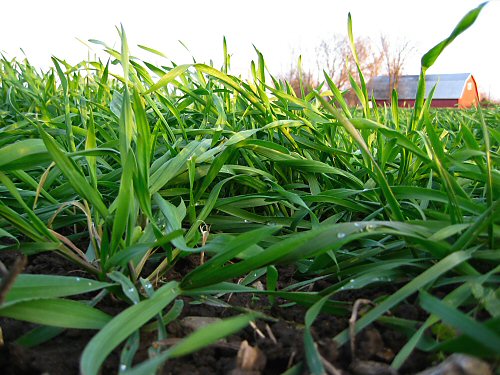
Rye after six weeks under snow

After enduring a pretty wintry two months, the fall rye can only be described as lush and green, the highlight of today’s brief walk around the field. It hasn’t grown much since late November, but it’s alive and kicking. Here, a light dusting of snow has melted as the sun pops in and out. The cover crop experiment continues… More »

Comments (3)

All clear…

January and the field’s all clear

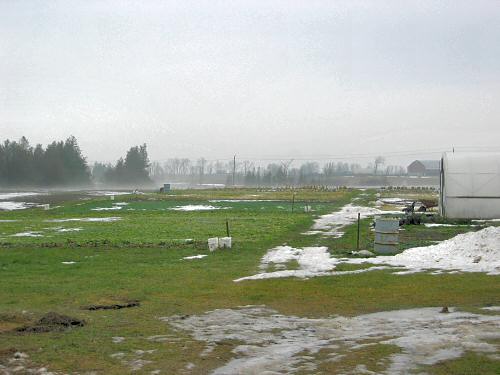
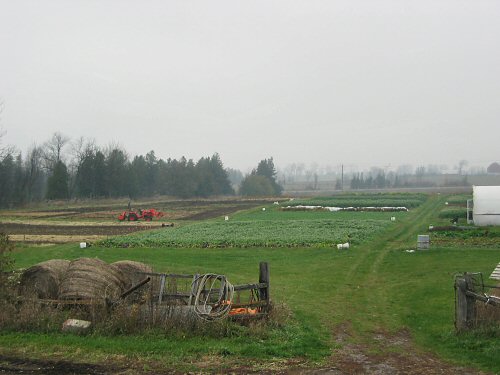
After a night of rain and 50°F (10°C) warmth, the field is just about clear. What a difference a couple of days can make… I took a walk. The ground isn’t even frozen—with the odd way all that snow came before a real cooling down period, the ground was insulated by the snow and didn’t freeze too deeply. It’s quite strange. Usually, during the March end-of-winter melt-off, the clayey soil is wet, sticky, mucky, sucking, and the drainage is slower as the frozen ground thaws out, but now, some areas are dry enough to till! The scene also looks quite different—greener!—than in previous years, because I’ve left a lot of cover crops (oats, bit of rye), and there were quite of few beds of late harvest veggies caught in the first snow. There’s potentially good stuff out there: huge carrots, beets, spinach. They may be too cold-damaged to be worth a harvest, I’ll check ‘em out tomorrow. And the unmulched garlic is doing fine! More »

Comments (2)

Cleaning up

Fall clean-up continues

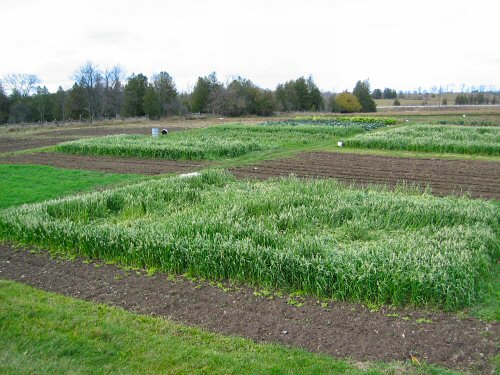
Here’s a look to the north from my new favorite photo spot, on top of the farm stand. We’re down to mainly brassicas, oats and rye (that’s the low, darker green section poking in on the left). The oats has started to die off and topple over, leaving collapsed areas that look as if animals had bedded down… The days lately have mainly been overcast and quite cold, just above 0°F, with a fair bit of rain that leaves the ground mucky. My hours a day spent in the field are winding down, a two or three hour job at a time, weather permitting. Elsewhere, there’s lots of putting in order and stowing away, and clean-up in the Extended Milkhouse where all kinds of junk accumulates over the year. Getting set for winter. More »

Comments (4)

Checking on rye

Fall rye in mid-November

The fall rye has stayed low and not gotten too dense, but filled out nicely. As a cover crop/green manure experiment, I guess it’s doing fine. It’ll be there overwinter, and we’ll see how it does come spring. My only concern is that it gets too established and turns into a weed—it’s supposed to be potentially invasive—and that we’ll find out when the time comes!

Tags: , ,
Somewhat similar posts: • Checking on ryeRye arrives!Trying fall ryeAt the wheelAll clear…

Comments

More fall finishing

Field in mid-November

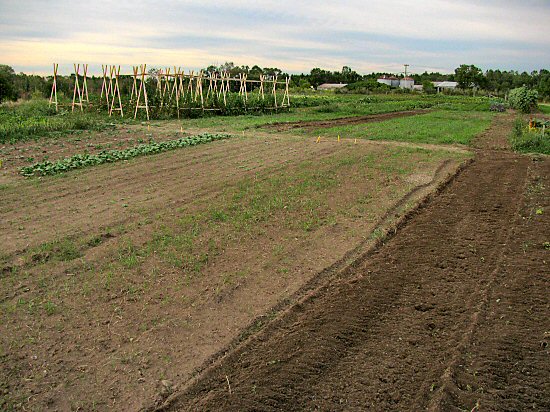
Fall clean-up is moving along bit by bit between the weather. Half the field is cleared, fertilized, and tilled or about to be. The rest is mostly covered by oats and a little rye. The Kubota compact tractor is ready to take up where it was stopped yesterday by the broken rototiller chain. At this point, I have an hour or so before the rain…

Comments

Rye arrives!

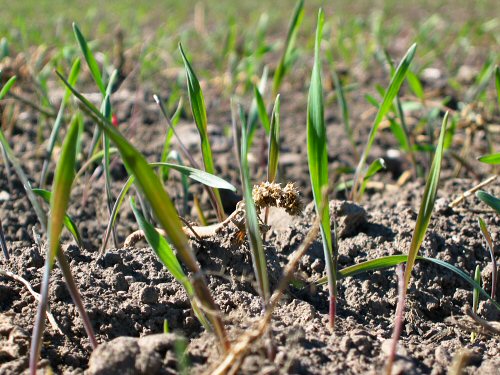
Emerging fall rye

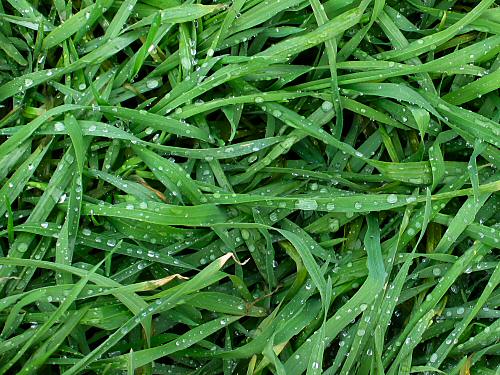
Where the oats arrived with a dramatic, iridescent splash of green, the fall rye made a much more sedate entrance, so much so that I didn’t notice it until today. It probably emerged a couple of days ago. It’s looking great! I dunno why I’m so extremely pleased by these green manure cover crops…but I am! The rye comes with a lot of promise. It probably won’t winterkill, instead, start up again in spring, making it good for sections that won’t be planted out till May. It thrives in cool weather, also making it great for fall and spring service. And it may have an allelopathic effect on PIGWEED, meaning that, on a plant-produced chemical level, future pigweed may suffer… That’s nice. On the caution side, if it gets too well-established, it could be a little tough to eradicate. No worries. I won’t seed it on sections that’ll be used for the earliest spring planting (there won’t be time to till it in), but otherwise, I’ll spread this around everywhere I can for the next month or so and see what happens!

Comments

Trying fall rye

Earthway broadcast seeder and fall rye seed

With the oats experiment going good all around the field, it’s time for experimental green manure-cover crop #2, fall rye (starts and grows well in cool weather). Reading about cover crops online, I found one apparently popular method for seeding ‘em is…”airplane”. I use the more down-to-earth Earthway broadcast seeder, which works like one of those hand-held lawn seeders, except there’s a big zippered bag and shoulder strap instead of the handgrip and little funnel. You fill up the bag, sling it over your shoulder, and then, in one smooth movement—limbs, synchronize!—turn the crank with your right hand, slide open the seed hole (with a little spring-loaded lever) with your left, and start walking (I go forward). The seed streams out of the aperture at the bottom of the bag, onto a rotating plate with dividers that flings the seed a little over 180° in front of you. The combination of seed hole size (determined by how far back you pull the lever), and the cranking and walking speeds determine the coverage. Seed is spread maybe 5′-7′ (1.5-2.1m) on either side. Open the seed hole aperture too much and you’ll drain the bag in no time at all—heavy coverage. It’s not at all difficult, you can be broadcasting seed in minutes, but still, a little bit of a trick!

Comments (2)

TFB & the Web

Locations of visitors to this page

Best Green Blogs

Home and Garden Blogs - Blog Catalog Blog Directory

Add to Technorati Favorites

Foxkeh banners for Firefox 2