Fri, Feb 15, 2008 · Filed under Farm lab, Veggies, Winter

These technical drawings of a lettuce root system are from Root Development of Vegetable Crops*, first published in 1927 and now in the public domain. This is an incredible book that I just discovered. The text is like a complete gardening course delivered from underground. The drawings record direct observation, the result of years of root excavation. Over 30 (North American) common garden veggies are covered, a chapter each. I can hardly describe how satisfying and…enlightening it is to simply look at page after page of painstakingly drawn root systems! Here, the top two pictures are lettuce at two months and then at three months and flowering. Each square in the grid is one foot. The little side-by-side illustratation shows 3-week-old seedlings, grown on the left in loose soil (nearly 2′ down!!), on the right in compacted soil (and to think, I have 3-week seedlings in tiny plug sheet cells, 2-1/2″ deep!). One look at this and your mind expands!
*I downloaded it from the fantastic Soil & Health Holistic Agriculture Library, an online repository for dozens of excellent books, mostly from 1910-1960, and all entirely free—there are many organic farming classics, tons of great, practical stuff!
Permalink
Fri, Feb 08, 2008 · Filed under Farm lab, Indoors, Planning, Seed starting, Veggies, Winter

Better than Christmas! The first half of the first big seed order, and my first book order in months, both arrived today. Seed every year comes almost entirely from three companies: William Dam, Veseys and Terra Edibles. The first two are both bigger, family run companies, one definitely slicker and more marketing-oriented, with a series of color catalogs through the year in addition to their main one, all kinds of enticing special offers involving free shipping, a call center with almost no waits, y’know, the works. The other is definitely more…”indie”, with a single annual catalog, a written commitment to untreated seed only, and a busy signal more likely than not right through the order season: keep calling till you get through. The third is a tiny company specializing in heirloom seed, grown in-house or directly sourced from small growers. The cool thing about all three is that you’re actually dealing wtih the owners, right to the top. Even in the case of the slickest one, when a seed potato order was a WEEK late last year, the prez himself called to apologize. And I’ve had great, informative chats with various people from all. It’s another small satisfaction, knowing to a degree from where and whom your seed arrives. The book situation is a little different: Amazon.com (Amazon.ca, in my case). It seems like a sprawling, faceless, digital megacorporation, and I long ago stopped keeping track of who bought out who, but as far as I know, it’s still…OK (like, not like Facebook). And it’s downright depressing/futile to browse a small-town bookstore if you’re looking for specific titles (of course, they can always order in, so I do it myself instead). Anyhow, the few titles (selected from a long list of must-reads): The Complete Vegetable & Herb Gardener: A Guide to Growing Your Garden Organically (based on a recommendation), The Omnivore’s Dilemma: A Natural History of Four Meals (finally…eek! :), The Art of Simple Food: Notes, Lessons, and Recipes from a Delicious Revolution (hmm, high hopes for this one, based largely on a Charlie Rose PBS (US public TV) interview with author Alice Waters; I WILL cook more, but we’ll see if this helps…), Micro Eco-Farming: Prospering from Backyard to Small Acreage in Partnership with the Earth (I have NO IDEA how this came to the long list, I forget, but I did mark it with a bunch of stars…). And then there’s the Linux Pocket Guide, ’cause with blogs and web sites, like tiny farms, it’s usually best to know your way around the territory… Off to start some rosemary really late, and read!
Permalink
Sat, Dec 08, 2007 · Filed under Autumn, Indoors, Seed starting, Storage

Keeping up with the early start, I got out the seed from its storage chest to take a look. With the tiny farm’s growing HISTORY (hey, Year 6, coming up!), keeping the seeds sorted for freshness is an ever more…serious consideration. Old seed won’t work, and there’s always lots of carryover from year to year. For this garden’s veggie selection, seed life in cool, dry storage conditions falls into three categories: nice and long (around 5 years, for brassicas, cucumber/squash family, lettuce, tomatoes,…), medium (around 3 years: beans, peas, carrots,…), and SHORT (1-2 years, for onions, corn, parsnip, parsley,…not too many here). Luckily, this is all book info, not gathered from painful personal experience! But I listen closely, ’cause one of my biggest garden nightmares is THINGS NOT GERMINATING… There are enough reasons why gazing happily on those newly seeded, semi-straight rows might be the greatest satisfaction they ever offer, and dead seed shouldn’t be one of ‘em. My first germination test last year seemed to bear out the wisdom of others: normally-stored seed is not forever… So, it’s checking packs and taking dates!
Tags:
bean,
books,
brassicas,
carrots,
germination,
lettuce,
onion,
peas,
seed,
tomato
Somewhat similar posts:
The seed…
Tomato seed
Books! Seed! Orders arrive…
The Bookshelf, Part 1
First cuts
Permalink
Wed, Mar 28, 2007 · Filed under Indoors, Spring

My box of back issues finally arrived. Reading through it may cause my head to explode (so many things to try, so little time :), but I’ll take the chance! This is the entire collection, seven years worth, of a fantastic market gardeners’ monthly newsletter called Growing for Market. Tiny farming lies in a kind of information nowhere land between gardening and large-scale agriculture. Most of what I do is straight from gardening methods, but the scale is a little…bigger, with things to do and problems to solve that just don’t happen in even a very large personal garden. Meanwhile, commercial farming info is all about tractors and agrochemicals and acres of one crop at a time. All wrong. So where do you learn the best way to stake 500 tomato plants, or how to keep veggies fresh for half a day at a hot outdoor summer market?
More »
Permalink
Mon, Feb 26, 2007 · Filed under Farm lab, Indoors, Winter

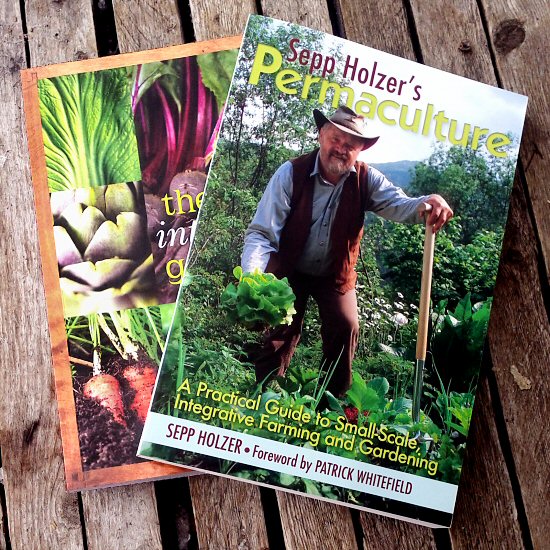
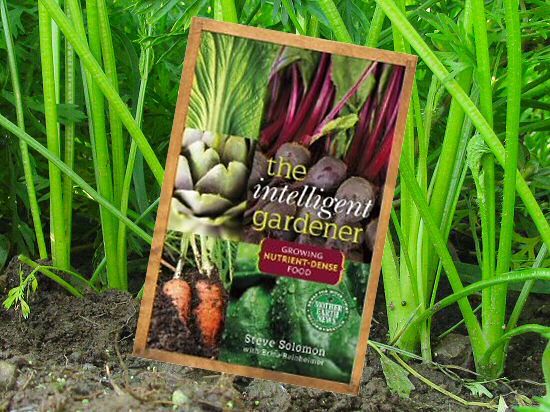
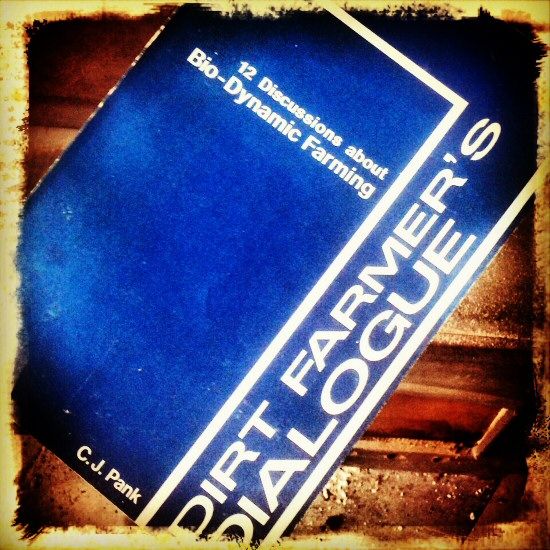
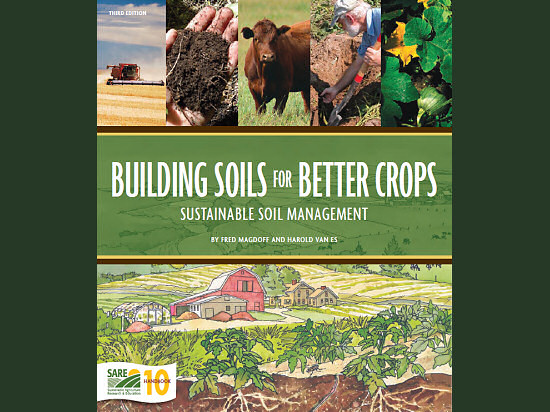
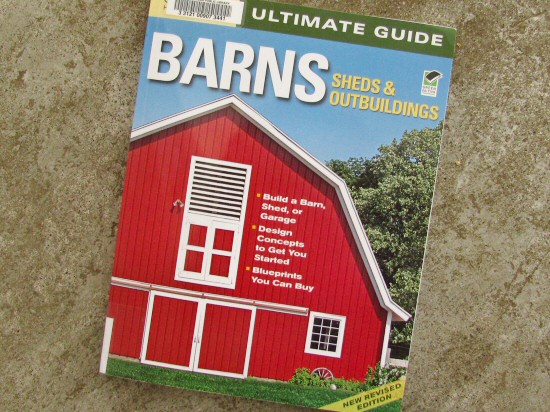
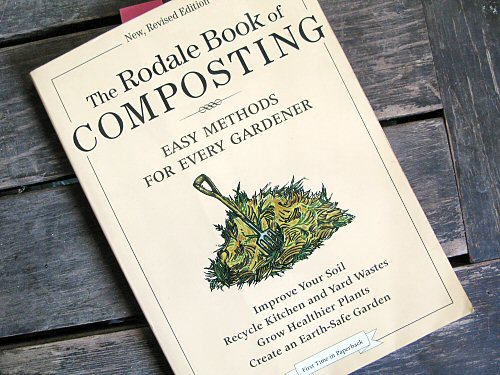
This is about a quarter of my farming bookshelf. I get a ton of info from the Web, particularly in winter, but books I’m still most fond of. Let’s see now… You could take Rodale’s Garden Problem Solver and a bunch of seeds and that’s all you’d need to get started. It wasn’t an early book acquistion, but it’s turned out able to answer just about every organic production question I’ve had, from cultivation to irrigation. It’s a little sun-bleached from trips to the field. And The New Organic Grower is probably required reading if you’re selling what you grow: practical and also kinda inspiring on the microfarm marketing side. More »
Permalink