All clear…

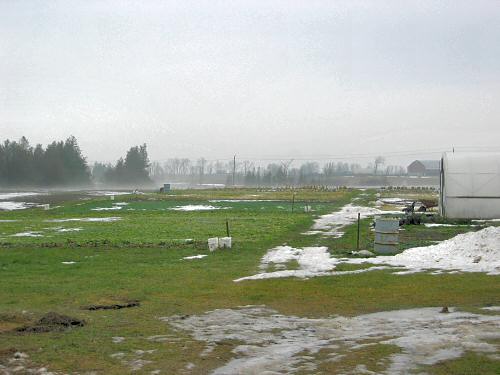
January and the field’s all clear

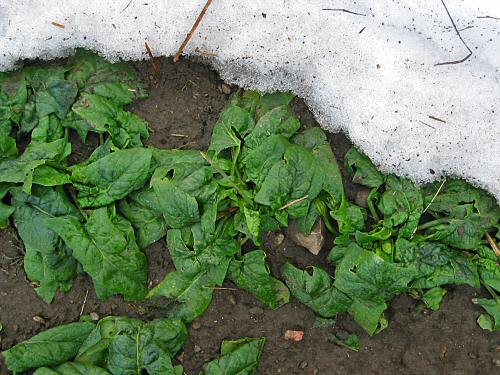
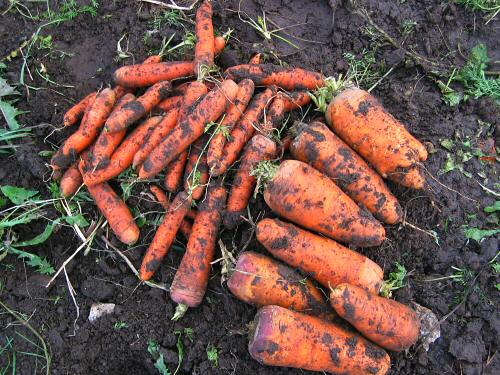
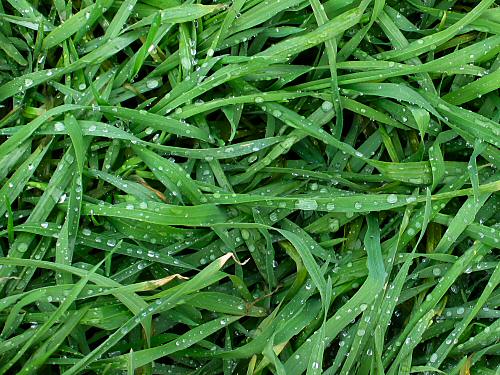
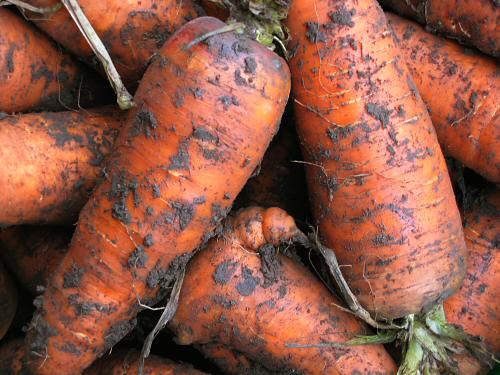
After a night of rain and 50°F (10°C) warmth, the field is just about clear. What a difference a couple of days can make… I took a walk. The ground isn’t even frozen—with the odd way all that snow came before a real cooling down period, the ground was insulated by the snow and didn’t freeze too deeply. It’s quite strange. Usually, during the March end-of-winter melt-off, the clayey soil is wet, sticky, mucky, sucking, and the drainage is slower as the frozen ground thaws out, but now, some areas are dry enough to till! The scene also looks quite differen—greener!—than in previous years, because I’ve left a lot of cover crops (oats, bit of rye), and there were quite of few beds of late harvest veggies caught in the first snow. There’s potentially good stuff out there: huge carrots, beets, spinach. They may be too cold-damaged to be worth a harvest, I’ll check ’em out tomorrow. And the unmulched garlic is doing fine!
Read more

Called for wind

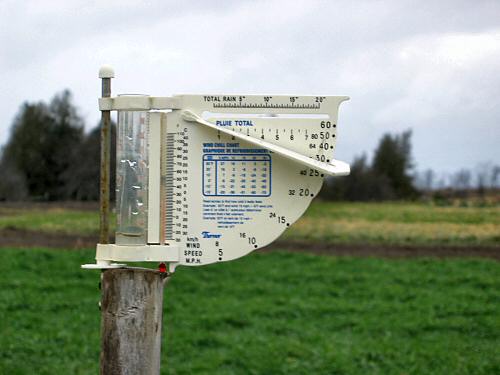
Weather station in action

Happily expecting heat, I stepped out into a sharp, nasty wind this morning. The weather’s taken a downward turn from the cheery short-term forecast. It’s still going to be above zero for the next couple of days, They say, but just, and the nights have plummeted below. Also, in the 15-day, that follow-up warm spell predicted for 10 days from now has evaporated. All this meaning: harvest and mulch now! Unfortunately, the heavy wind makes grass mulching nearly futile (the mulch blows away), so I’ve put it all off till tomorrow…

Spinach emerging from snow cover

A last hold-out of snow is melting off a section of spinach. While the color is a bit odd, with two distinct shades of green going on (cold effects!), the taste and texture are good. Spinach lives in these conditions, so as long as the leaves haven’t been battered by cold wind, they’re still good eating. Just sort!

Read more

A little fieldwork

Carrots!

Spent about four hours out in the field. The feeling of calm satisfaction as you head in after doing some work in the garden never fails! I dug up about half a bushel of carrots to see how they’ve done. These are, I think, Nelson and Danvers Half Long (the BIG ones)—the label stakes were out, so I couldn’t immediately check the varieties, it’s not necessarily that easy to tell! They’re mostly in fine shape. On a few, the inch or two exposed above-ground had frozen and thawed, leaving the top tips spongy and mushy, but this didn’t affect too many. I can probably get a couple of bushels! This mid-January harvest is actually consistent with last year, except for the extra 6-7 weeks of RealWinter… I also mulched the garlic, leaving a couple of beds clear as a test (I’m not sure how useful an experiment that is, since I’ll mulch them for moisture and against weeds first thing in spring…). Anyhow, a bit of winter fieldwork…

Read more

More carrots…

A good stretch in the field today. Harvested a bushel and a half of carrots (huge Danvers Half Long, enough to last through the winter) and a bushel of beets, a mix of red, golden and the Chioggia striped. Mulched another garlic bed, leaving just one uncovered. Did some clean-up with the compact tractor, moving empty barrels, turning crop remains into one end of the compost windrow. Took a trip down to the pond: it’s unfrozen, with only a layer of ice on top…

The pond is as full as it gets. Normal level is several feet lower, after the winter runoff evaporates, usually sometime in June. The barrel is a float that keeps the end of the uptake hose that leads to the pump suspended above the bottom.

Field map and field…

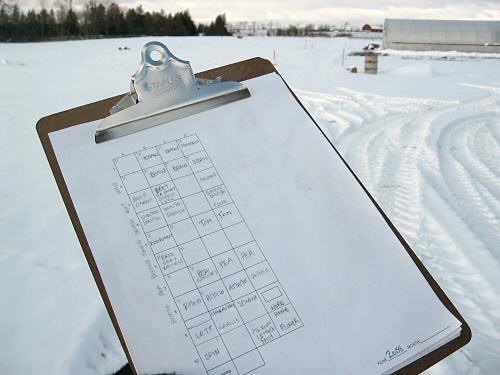
Map of the market garden and a snow-covered field

Here’s the new garden map, companion to the two calendars, all part of the latest version of my planning set-up. The simplicity and spareness are deceptive, this is the result of FIVE YEARS of refining complicated planning and record-keeping paperwork, stripping away stuff I didn’t really use. Really! My old maps were way more detailed, with varieties and planting dates for each bed, hand-printed in really tiny letters (each of those squares represents a 50’x50′ section containing 10 beds). The grid now takes up only half the page, leaving lots of room for little notes, and the sections are just big enough for blocking in the crops (varieties, dates and bed locations go on a separate list). It’s not fully filled in yet, and everything’s in pencil for easy rearranging. I was working on it today along with the seed order list, and took it for a walk to take the pic. Pretty plain on paper, but when I look at it, I see the whole season unfolding… (Overnight last night, the snow suddenly came back!)

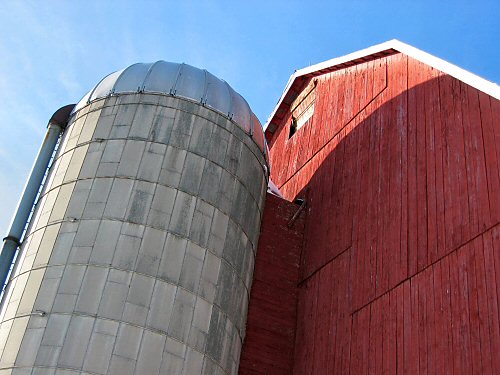
Sun and silo

We haven’t had much sun lately, but it came out for the top half of the day today. What a difference sunshine makes, if you have any choice at all, you certainly can’t stay indoors (especially in front of a computer!). In my slow and steady exploration of all the many parts of the barn not used in tiny farming, I snapped a shot of the silo at the south end, looking quite imposing in the bright light, kinda industrial, and still in good shape. This is an old concrete silo, about 40′ (12m) high, used mainly for silage (partially fermented crops used for livestock feed). It was last filled around 15 years ago, when this was a full-fledged dairy operation. Field corn was chopped up and blown up the tube on the left. Packed in, the corn would start to ferment, which helps preserve it for winter feed. Cows apparently love silage! At times, the silo was also used to store dried corn (the kernels) for feed. Hmmm, wonder how to reuse a silo…