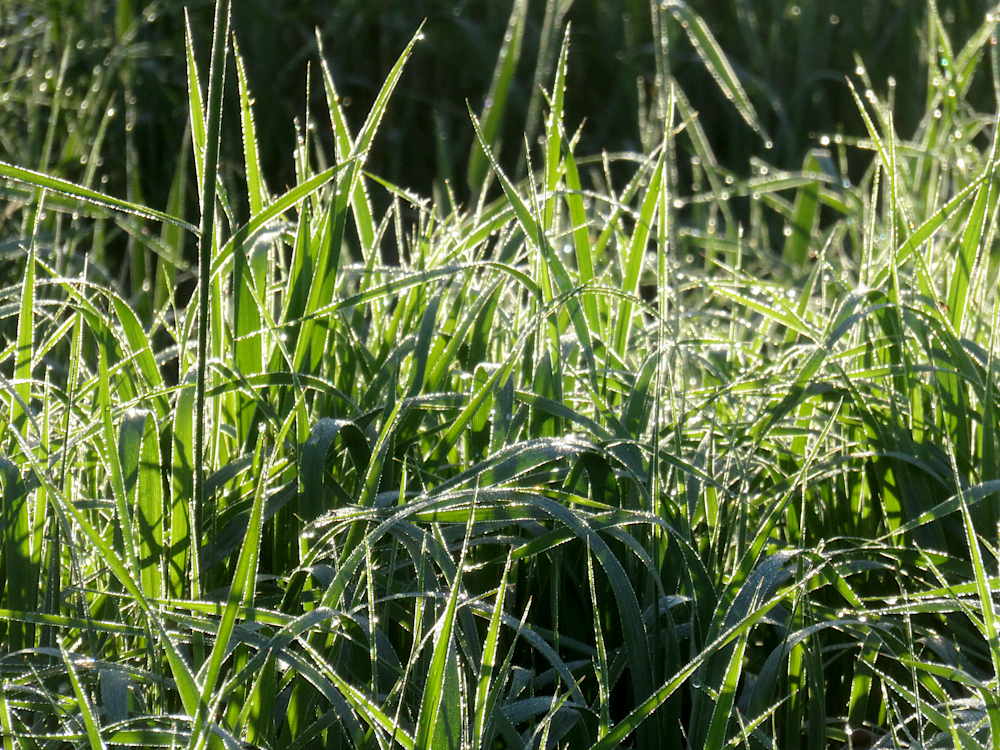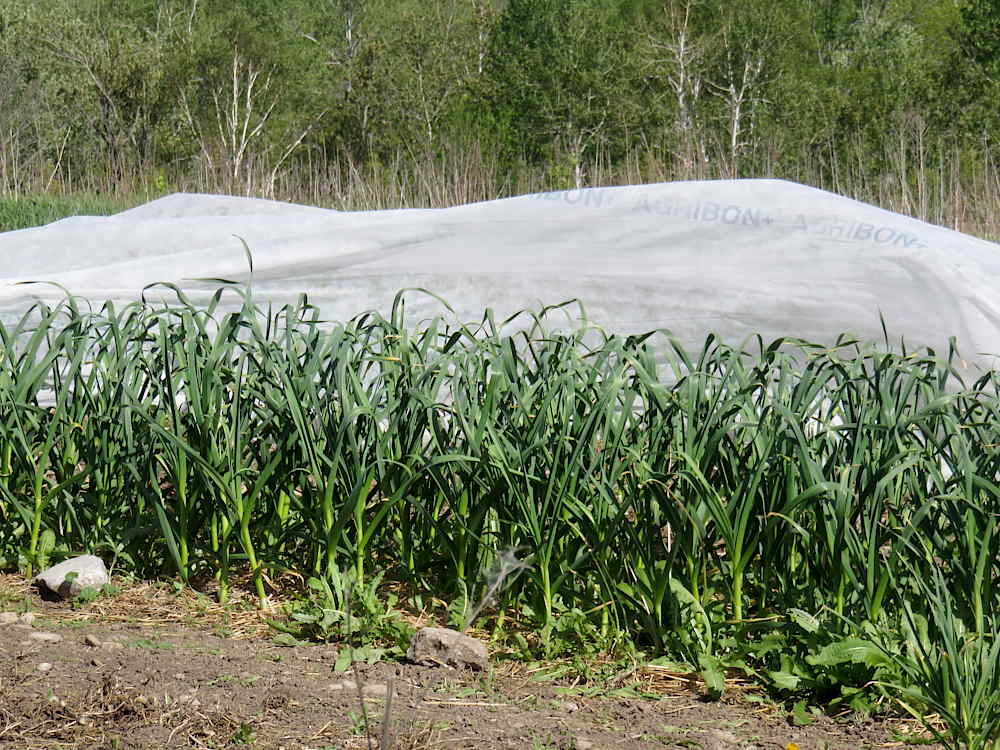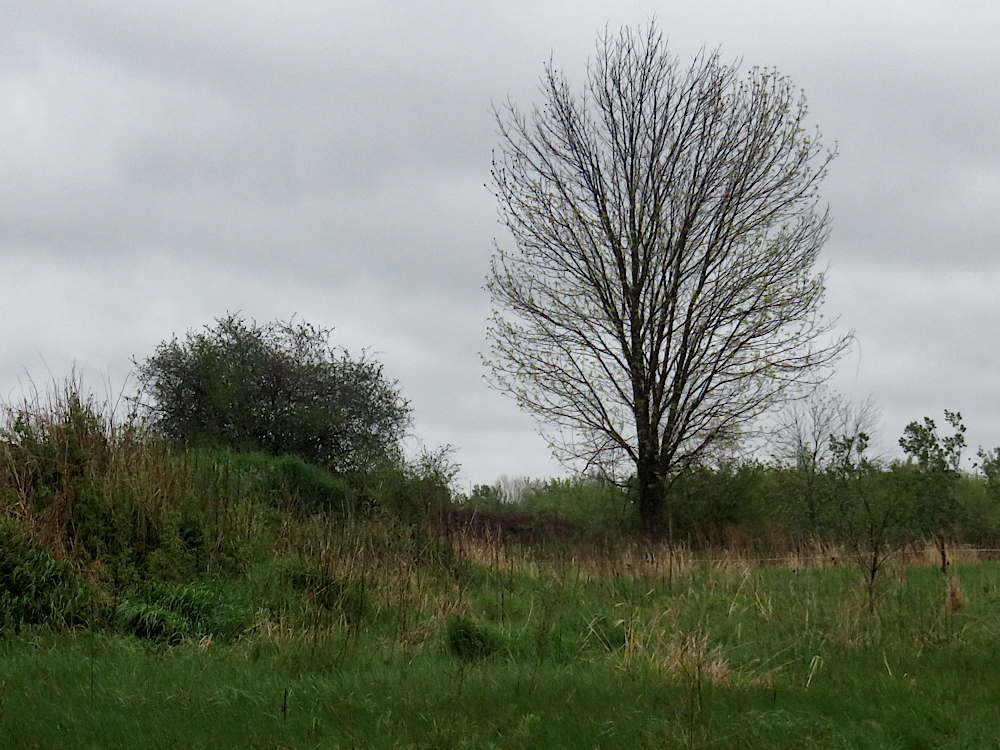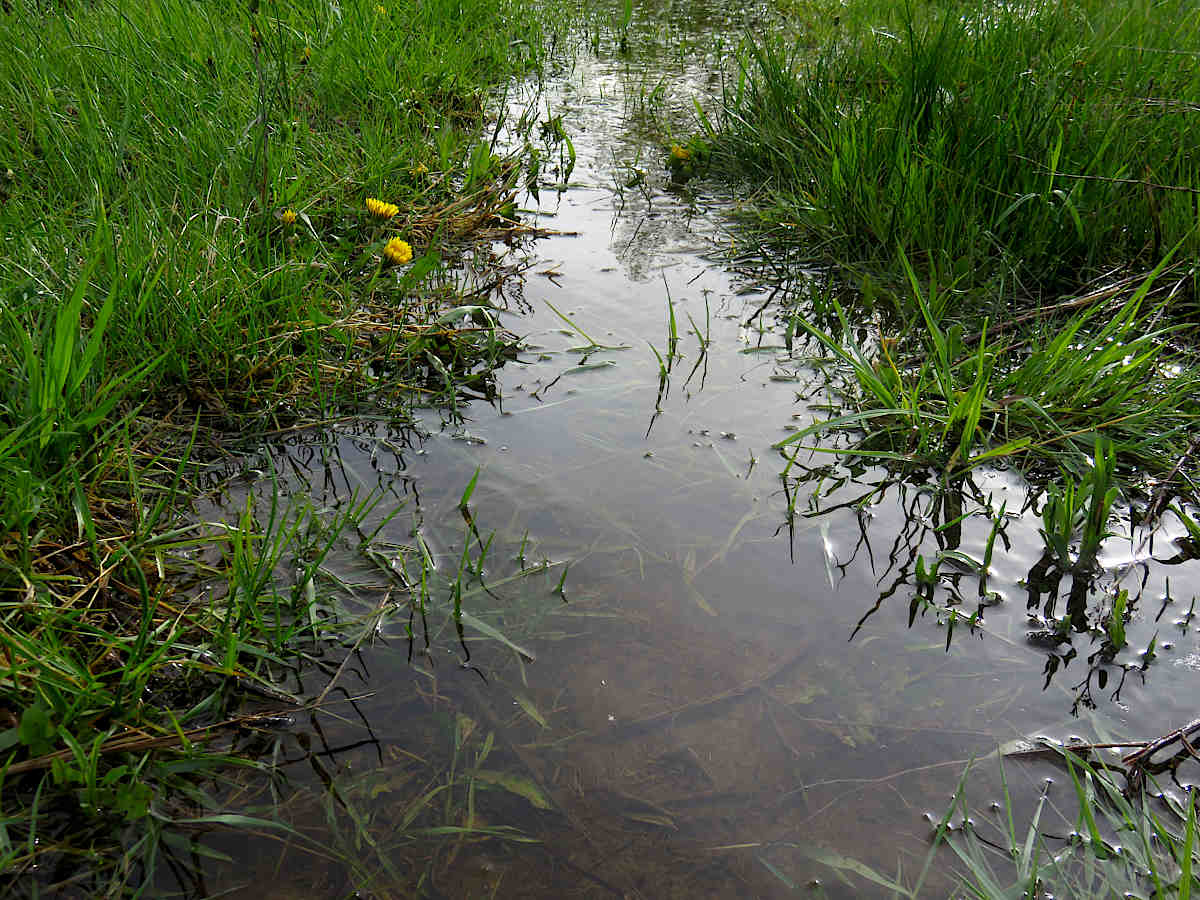
Say what you want about the harshness of the winter season, at least you can see through the trees! It changes things up. In summer, a dense deep green privacy wall across the little meadow that could be called a lawn. When the leaves are gone, you can look past to the hillside across the hidden pond. This slice of the view is dense with fallen branches snapped by wind and ice storms. There are also window-like gaps where in summer you can see cows grazing on the hill.
Weather
Plug sheet gamble
Starting green onions in a 72-cell plug sheet. I tried it last year and it seemed to work out. Instead of directly seeding green onions, then watering them for a few days on their way to germination, start them in plug sheets, where it’s easy to control conditions for good, quick germination, then transplant them. The tradeoff is in the extra time it takes to transplant, offset by the guaranteed good germination. The gamble is, as usual, on the weather. A day or two of gentle rain after direct seeding could be all they need for fast, even germination. A super-hot, dry stretch after transplanting could mean daily watering in for a bit. And so on, one little thing against another!
Tiny jungle
Hardening off seedlings on a mainly sunshiny day. I can see tomatoes, peppers, eggplant, Brussels sprouts, and bok choi. Some are for now, some a little down the line. I’ve been transplanting steadily bit by bit, rather than all out at one time, as a hedge against erratic weather changes. Same with direct seeding. It’s another experiment, and given our short season and the generally unpredictable weather, it’s risky. Then again, depending on the crop, I’ve seen plantings a week or two apart more or less even out. It’s always a gamble!
Transplants love drab weather
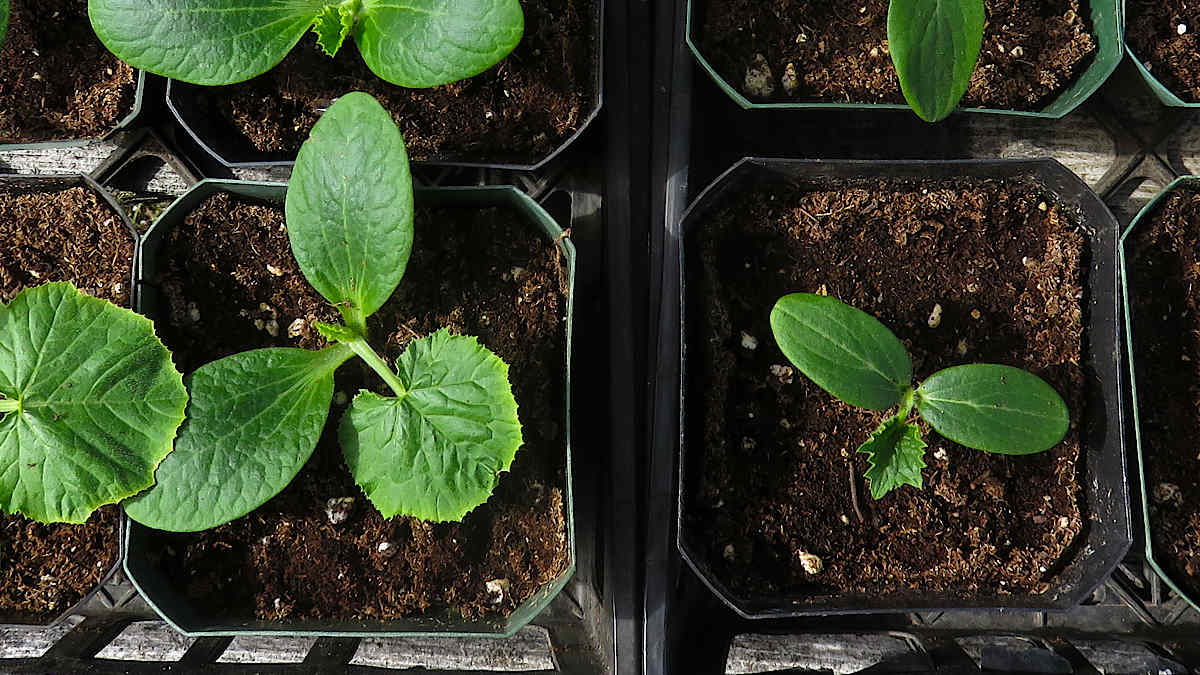
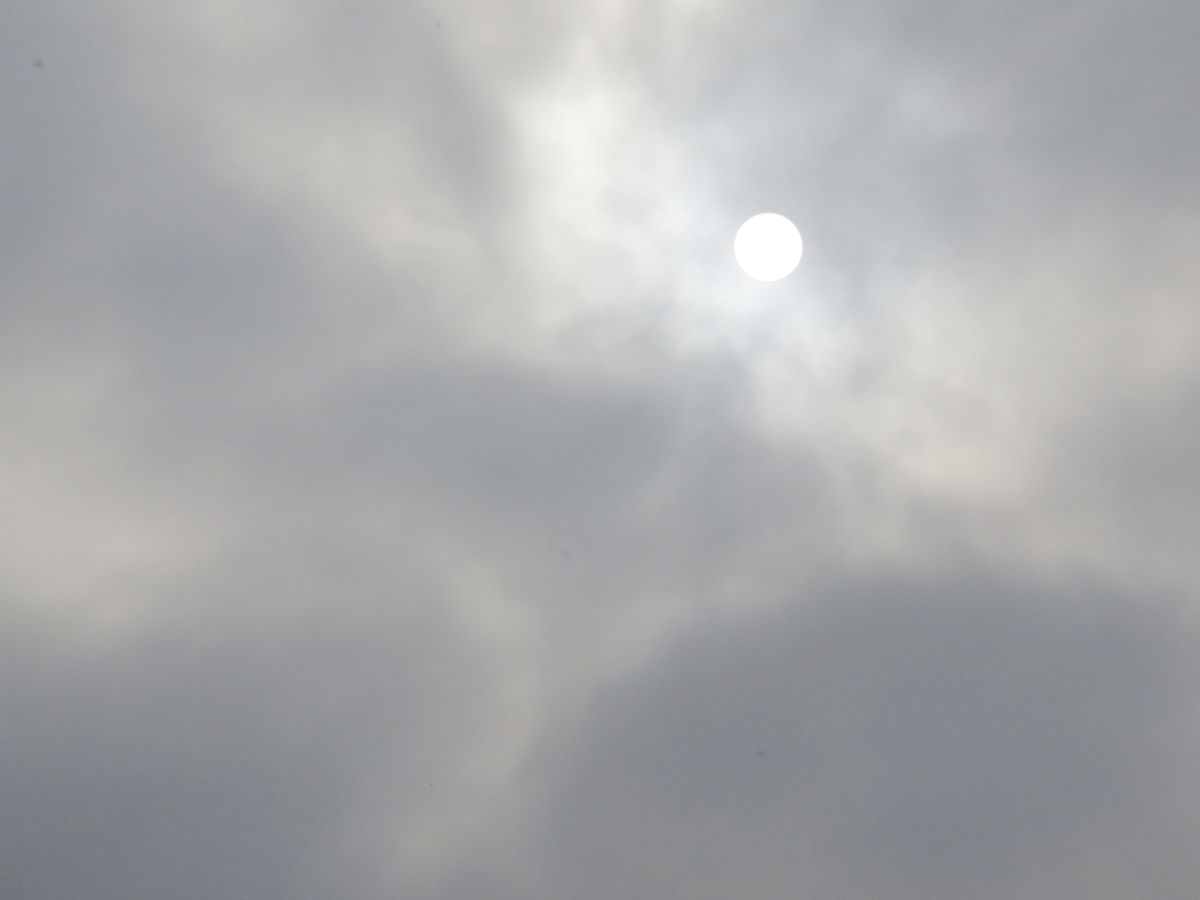
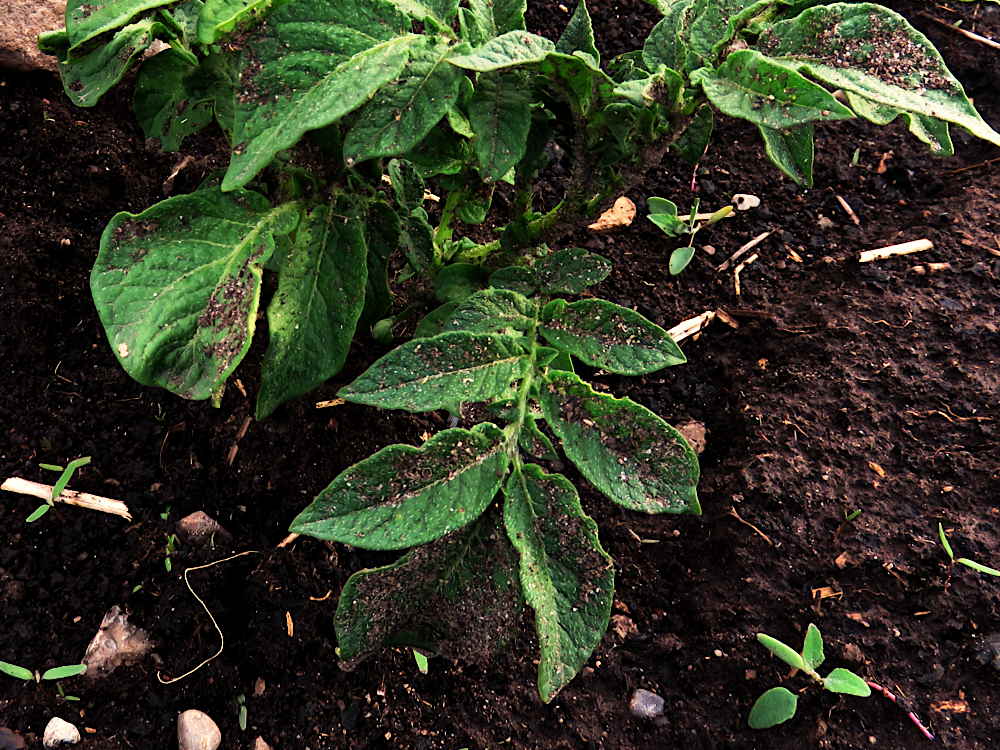
Transplants, like these tomatoes, do well in mostly overcast, even rainy weather for the first two or three days. Funny the way things in life can turn in an instant. One minute it’s put them in the sun, the next, welcome some cloud cover. My transplants start out under fluorescent light, a weak imitation of the sun: putting them out for a few hours, for at least two or three days, and back in to weaker light of the grow rack every night, gets them used to the sunlight. Once transplanted, though, they’ve got more to adjust to than sun. Their roots have been exposed and jostled. The nights usually get pretty cool in May, 20°F below what they’ve been used to. Maybe they sense the general vastness they’ve suddenly found themselves in, with a plant version of, “Oh my.” Whatever all is going on, it’s an adaptation. Full days of hot sun add the stress of having to pump more water into their leaves to keep from wilting. Although they’ll generally survive that sort of thing—as I’ve observed firsthand…—it’s easy to see the difference when the first few days have a good amount of cloud cover, and they really get rolling, stems thickening, the leaves turning a deep green. There are all sorts of ways, often way closer to ideal, to start seedlings indoors. For my simple, low-tech, rough-and-ready approach, this is how it seems to work!
In the photo: The little golden brown blobs scattered around are alfalfa pellets, used as fertilizer. They start of as hard pill-like cylinders, and expand to crumbly little blobs after being wet, then continue to break down as they join the soil food web.
Long slow sunset
It’s seven and the sun is only slowly setting. Every year, at probably around this exact point, I’m surprised again by how long the days get. How much changes with all that light! It’s quite the swing from winter, when you’re indoors anyway thanks to the cold, and daylight gets down to 10 hrs—wake up in darkness, dark before dinner. Suddenly now, you wake in the middle of the night and grey light is already creeping through cracks in the curtains. Mildly disorienting… I used to be more tuned to the daylength differences when, for half the year, May through October, I was up at five every Saturday for the farmers’ market. Still, awake around dawn or not, there’s always a particular time in spring and fall when the changes hit. Anyhow, right now, this is great for fieldwork—more hours in the day!
Robin at the window
Looked down at the patio door and what did I see? A robin on the outside, standing right up to the glass between us, kind of looking back at me. Or maybe (more likely) seeing its reflection as another robin. It’s a bit of a surprise. Robins are usually summer company in the field, darting around, searching for bugs as I weed or harvest, not hopping around in near zero weather, in snow and freezing rain. It’s like being let into another part of their life. In any case, this guy or gal looks pleasantly plump and unperturbed. I’m glad to see they are quite all-weather and doing fine in the off-season.
Melting in March
A kind of harsh day. Squinting against sun glaring off puddles and patches of snow. Damp and on the freezing side of chilly—just warm enough for melting. The cold air is filled with the musty aroma of dead, wet, thawing vegetation. It’s mucky where there’s mud, although the ground remains frozen underneath, so you won’t sink into boot-trapping depths just yet. Not the most pleasant day for walking in the field. Still, it’s welcome early spring weather, a pretty sure sign that a brand new growing season is on its way!