The water is high

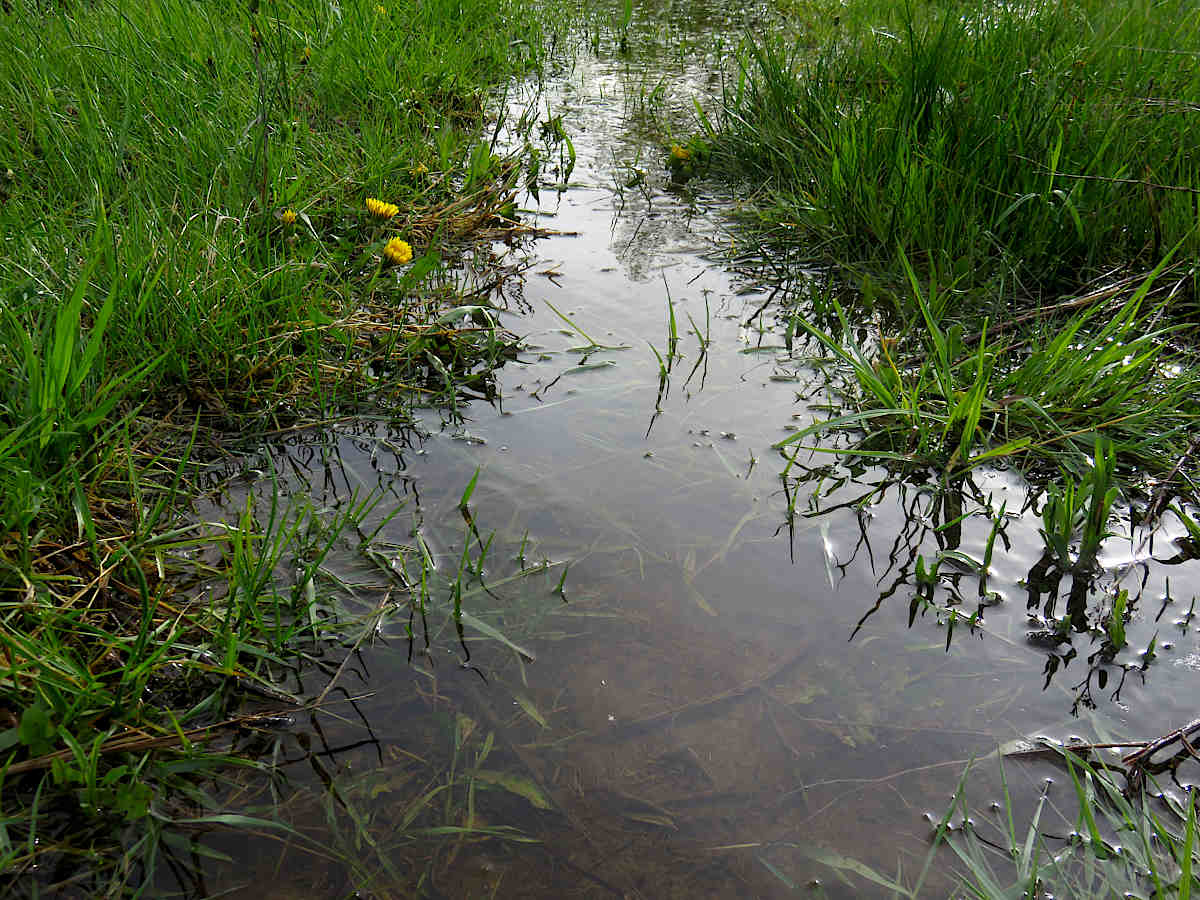
Standing puddle means water table still high

If you live in a big North American city—the kind of cities I’m familiar with—the average ground is asphalt and concrete, and water table is not a household term. If on the other hand you rely on a well, or a smaller town water processing plant, or you grow things at some scale, water table is a big deal. You know the term whether or not you understand it beyond the basic idea of either abundant water or water shortage, and drought.

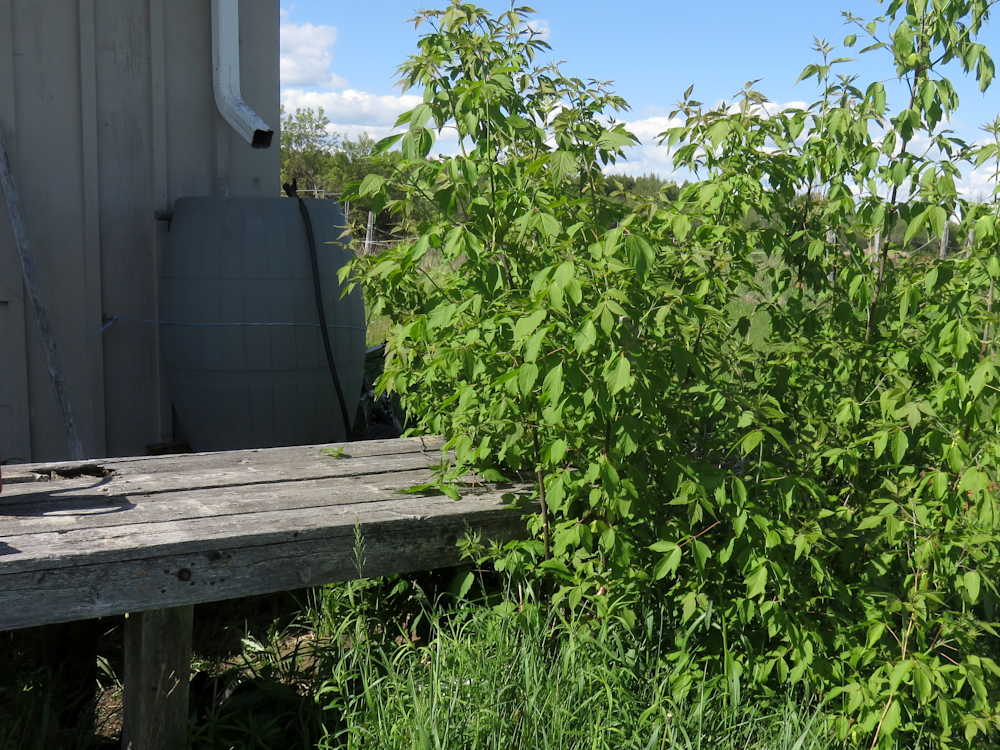
The puddle zone in the photo, in a particularly low-lying area of the field that my path to the veg garden cuts through, is my own local water table indicator. Earlier in spring, with snow melt-off and the ground still frozen quite far down, it starts out as a shallow pond, to be sloshed through in rubber boots. As the ground unfreezes and the water seeps off, down goes the puddle pond, until it disappears leaving dry ground. This is the water table level, like an underground lake or ocean that’s everywhere, except unlike when it breaks out in an open lake, here the water is running through soil. The lower the table gets, the drier the ground and the less water there is around. When you see a river dramatically drop in a droughty summer, that’s the water table, going down!

This year, the puddle has been dry for a couple of weeks, but after nearly two inches (5 cm) of recent rain, it’s back! Nearly a whole day later, it’s still pretty big, which means, lots of water right at the surface. At this point in the year, its main meaning to me is that lower spots in the field will still get a little flooded, so don’t plant there for a bit! Later on, since there’s no open water near the garden field, if we haven’t had rain for a long while, I’ll start checking the level in the dug well—lower down the string!

Thigmomorphogenesis

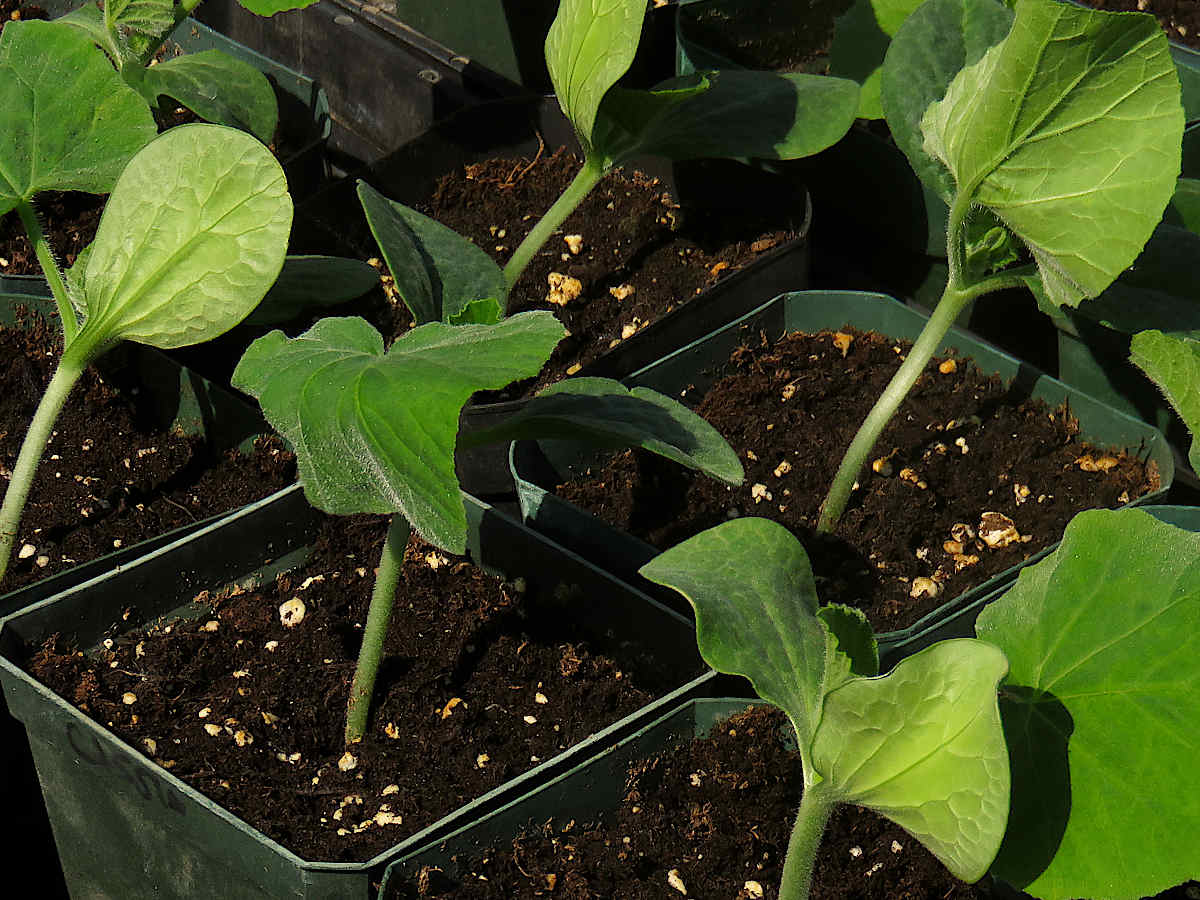
Squash seedlings in a stiff breeze

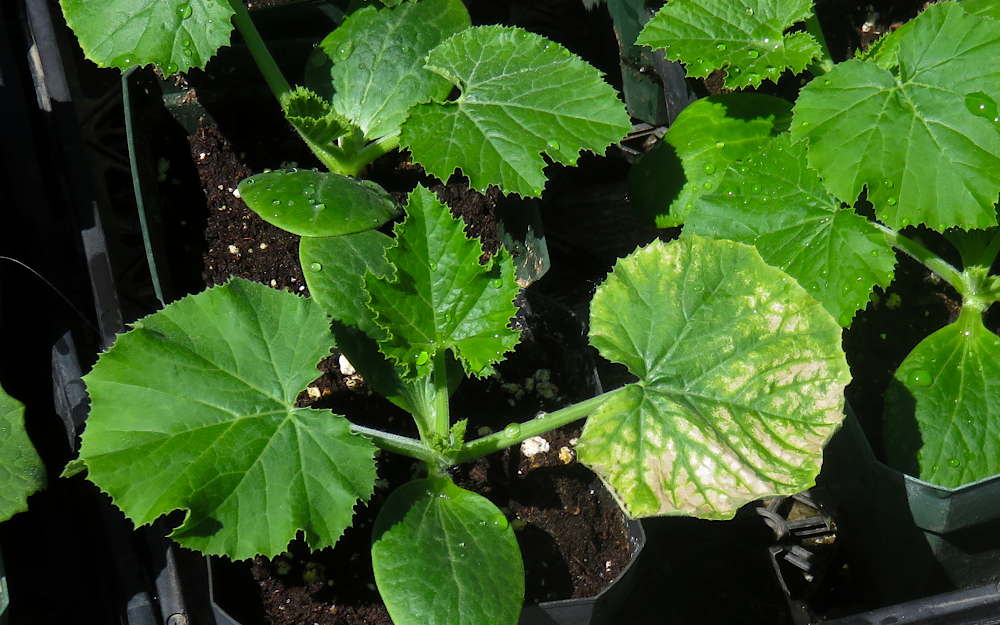
Squash seedlings in a stiff breeze—gale-force wind would’ve made for a more dramatic image, but thankfully not. This bending and fluttering of leaves is another benefit, besides the sun, of taking indoor-started seedlings out into the real world.

Movement, like blowing in the wind, triggers the catchily named thigmomorphogenesis process in plants, where they dramatically toughen up after getting a little pushed around. It could be wind, a pummeling rain, animals or hands brushing by or moving them about. Makes perfect sense for them to armor up.

I’m not particularly into the details of how they change, develop sturdier stems and whatnot—tougher seems to sum it up just fine—but it’s good to know about (I used to use an oscillating fan in winter). And I really like the term. For most of my life, my casual thought was that knowing everything would be cool, kind of like AI tries to today. At one point, though, conveniently marked by a certain blog post, my thinking flipped to often wanting to know less. Not cheering for ignorance, just comfortably sticking with what’s necessary for the moment. So, thigmomorphogenesis—long, unwieldy, yet surprisingly easy to pronounce after a couple of tries!

Garlic revealed

Garlic mid-May

For the first time after years and years of growing garlic, they’ve been under row cover since planting in fall, protection from a repeat of last year’s surprise invasion of the leek moth. No longer the one crop that every garden pest, from deer-sized to flea beetle, seemed to studiously ignore. I covered them right after planting so I wouldn’t have to muck about in the marshy field in April before it dried out, and loosened it up earlier this month.

Today, a full day of unfiltered sun. Leek moths are out and about at night, so the garlic should be safe even if the moths are in the neighborhood. The plants look fine, healthy and growing quite fast, though the leaves were a bit bent at first by pushing up against the cover. Cover went back on late in the afternoon. Better that than be bored (by leek moths).

Burying Gold

Planting Yukon Gold seed potatoes in a trench

Yukon Gold seed potatoes, placed in a trench, covered with a layer of on-farm compost made from cow manure, and carefully tended—watered and weeded, and hilled up with earth as the potatoes form upwards. In seven or eight weeks, scrabbling around in the dirt underneath the plants is rewarded by the first golf ball-sized new potatoes. So delicious. Yukon Golds were the first potatoes I planted—I almost remember reading about them and thinking of them as a kind of super-potato. “All-purpose” was the magical attribute. Starchy enough for fluffiness when fried, roasted or mashed, yet still with the firmness to hold up quite well in potato salad or a stew. These guys are spaced a foot apart, close enough to commune with their tribe, not so close they start to eat each other’s dinner. With decent weather, this batch will be a mouth-watering harvest just down the line!

Zukes vs cukes

Zucchini and cucumber seedlings

Zukes vs cukes—same family, different natures. On the left, zucchini are big, bold, and prolific with fruit that blow up to dirigible class if you take your eye off of them and stop harvesting more or less daily. On the right, cucumber, more modest in appearance, preferring to vine out than shoot up, unless trellised. Cukes are about equally prolific in the quantity of fruit as the zukes, but not so prone to expanding when left unharvested. Here, barely two weeks from being seeds in a package, with very similar seed leaves (the first two leaves to come out), the difference in their true leaf size already displays their separate ways. Today, they’re out in the sun.

Gushing is good!

A gushing water hose—nothing more normal and mundane wherever electricity for pressurized pumping, and of course WATER, are in plentiful supply. This tiny farm is in such a place, yet the gushing hose signals something much happier, an elevated event, because it’s proof positive that the dug well that irrigates the field is back in action once again after another frozen winter.

Priming the pump is usually a mid-May thing, when freezing is over. The operation is simple enough: slowly pour a couple of gallons of water into the pump so it backfills the pipe that goes into the well, turn on the pump, and wait for it to catch. It may take two or three top-ups and retries. When water gushes, the pump is primed for the season! It’s not foolproof, though, the pipe could’ve gotten hopeless clogged, or the well-used and dilapidated pump and tank could decide to give up a seal or conk out entirely. Then the simple would likely become costly repairs or replacement. But not this time!

Details! If the irrigation fittings look small, they are indeed. I’ve seen photos of irrigation set-ups on big farms that are full scale waterworks, orderly grids of giant pipes. Here, the setup is a 1″ plastic pipe that snakes above-ground out into the field—it’s the disconnected part on the left. The pipe can be this small because it’s only meant for low-pressure drip irrigation, hand watering by hose, or a few sprinklers at a time: not every day, all crops, all the time. Also, a dug well like the one here doesn’t have an endless water supply, you don’t want to get ahead of its reservoir size and replenishment rate. Finally, the longer the pipe, the lower the pressure the closer you get to the end. Here there’s about 400′ of it, and you can notice the pressure difference at each of the taps spaced along it. It’s not geared to intense large-scale production, instead, a low cost way to connect a fairly distant water source to a thirsty veggie plot when there’s the need!

Don’t stare

The Sun breaking through fog and clouds as a perfect white disk

It’s just the sun at around 9 am, but looking unusually crisp, a clean white disk cutting through clouds and fog. Today is set to be the first near scorcher of the year, in the high 20s C (80s F) and humid, after the overcast is burned away. While the source of all planetary light and heat seems a little muted on the brightness side—you can actually stare at it right now—for the safety of your eyesight, the smart money says, “Look away!”