Field day!

Winter-killed brassicas

Left to the last possible harvest in the fall, brassicas like kale, Brussels sprouts, cabbage, broccoli and cauliflower (above), were eventually winter-killed and now have to be cleaned up—one of the first field-readying jobs of spring! Today, I started. (EVERY day is a field day from here on in, through November at least, or the first heavy snow that sticks.) A day of tiny farming fieldwork is really just a whole lotta gardening… Now that the ground has dried out enough to be tillable (that could’ve been yesterday, but…errands and CHICKENS), and warmed up enough to direct seed the crops that germinate in cooler soil, it’s a whole new world of things to do…and think about doing. There are two basic ways to ponder the progress of the season’s garden: by timing and by area, each useful in its own way. Timing is mainly about the plants: when to seed, when to water, when to harvest. Area is about where to locate particular plantings, which in my case doesn’t mean absolutely running out of space, since there’s lots more field to expand the garden into if I wanted to (which I don’t), but more like where to position stuff efficiently, so you’re maintaining crop rotation, but not having to, say, drag hoses all the way down the garden to a couple of newly seeded beds that need daily watering in (although there’s a field production plan made up, there are lots of adjustments on the way—where to put stuff will come up again and again!). So, the start of the season is mainly about area, because you have to prep beds and get veggies in in a rough order—cool soil seed, then cool weather transplant, then warm soil seed and transplants—and the timing is a constant: it’s all right away! One way I keep overall track of this garden is by counting sections: it’s about 2.5 acres, divided into 40 50′x50′ squares (each fits 10-16 beds, depending on width). At some point in the next six weeks or so, almost all SHOULD be planted out, nearly 40/40. Today, I started seeding in one…

Rototilled

Tilled and untilled: Partially composted cow manure was spread and incorporated in the fall. Now, a light rototilling to prepare for seeding is all that’s needed. Today, I used the tiller on the Kubota compact tractor.

Rock stuck in tiller

Rock beats tiller: There are lots of stones in this field, they work their way up continually, and even a fist-sized rock, caught in the right way, can stall out the 48″ rototiller on the Kubota (it’s a tiny tractor!). No problem: remove and restart.

Garden gear on trailer

Getting set to seed: I work mostly one or two sections at a time, prepping an area with the tiller, marking the beds, then seeding (or transplanting). This way, I can get the crops that need to be started in as quickly as possible. Here’s the cart towed by the riding mower, loaded with assorted seeding gear (and some transplants being ferried to the greenhouse).

Measuring up the garden

Making beds: Oh, there’s A LOT of tiny farm history behind my bed marking methods. :) I’m still working on the most efficient way to set up beds. Right now, it’s fairly streamlined, involving a 100′ tape measure, stakes, and pacing off distances. This year, I’m planting in 3′, 4′, and 5′ beds (that’s path included), depending on the crop.

My favorite rake

Customizing the Rake: Every season, I re-ink faded measurement markings on a couple of hand tools I use the most. Here’s a convenient mark for 42″ from the top of the handle (that’s the planting area width for a 5′ bed. There are other marks further up the handle, and the whole rake is exactly 5′. It’s convenient for quick checks, especially on the favorite rake that I use for touching up beds right before seeding. And so, off we go…!

Comments (8)

The seed…

Seed stock: Dec 2007

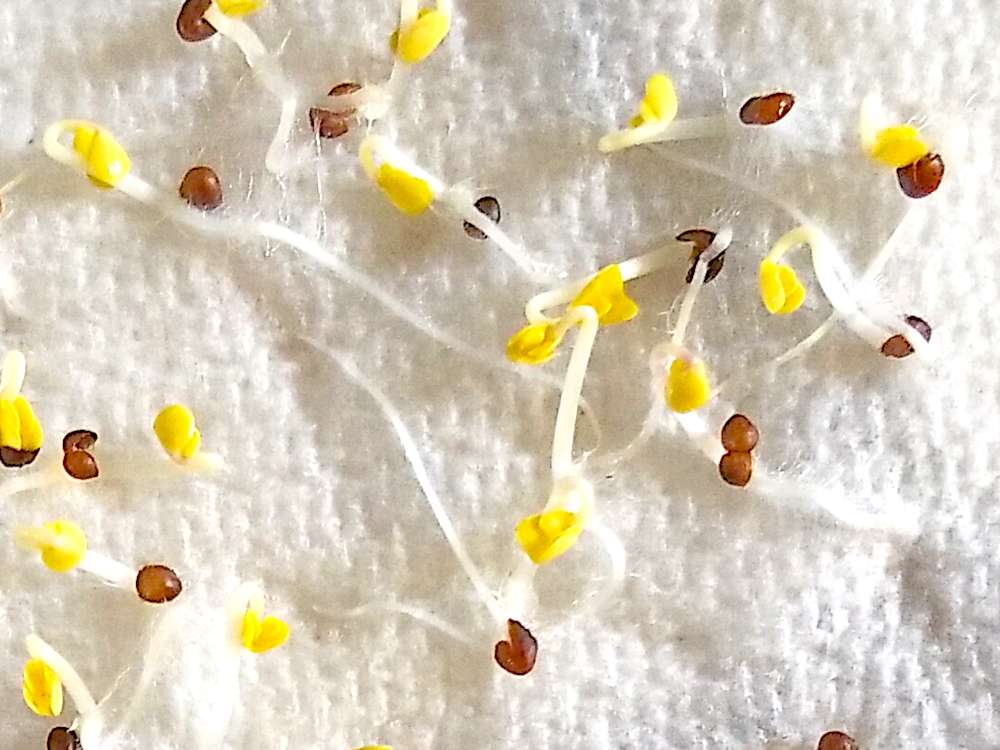
Keeping up with the early start, I got out the seed from its storage chest to take a look. With the tiny farm’s growing HISTORY (hey, Year 6, coming up!), keeping the seeds sorted for freshness is an ever more…serious consideration. Old seed won’t work, and there’s always lots of carryover from year to year. For this garden’s veggie selection, seed life in cool, dry storage conditions falls into three categories: nice and long (around 5 years, for brassicas, cucumber/squash family, lettuce, tomatoes,…), medium (around 3 years: beans, peas, carrots,…), and SHORT (1-2 years, for onions, corn, parsnip, parsley,…not too many here). Luckily, this is all book info, not gathered from painful personal experience! But I listen closely, ’cause one of my biggest garden nightmares is THINGS NOT GERMINATING… There are enough reasons why gazing happily on those newly seeded, semi-straight rows might be the greatest satisfaction they ever offer, and dead seed shouldn’t be one of ‘em. My first germination test last year seemed to bear out the wisdom of others: normally-stored seed is not forever… So, it’s checking packs and taking dates!

Comments (4)

Cleaning up

Fall clean-up continues

Here’s a look to the north from my new favorite photo spot, on top of the farm stand. We’re down to mainly brassicas, oats and rye (that’s the low, darker green section poking in on the left). The oats has started to die off and topple over, leaving collapsed areas that look as if animals had bedded down… The days lately have mainly been overcast and quite cold, just above 0°F, with a fair bit of rain that leaves the ground mucky. My hours a day spent in the field are winding down, a two or three hour job at a time, weather permitting. Elsewhere, there’s lots of putting in order and stowing away, and clean-up in the Extended Milkhouse where all kinds of junk accumulates over the year. Getting set for winter. More »

Comments (4)

Autumn harvest action!

Harvesting mesclun and spinach

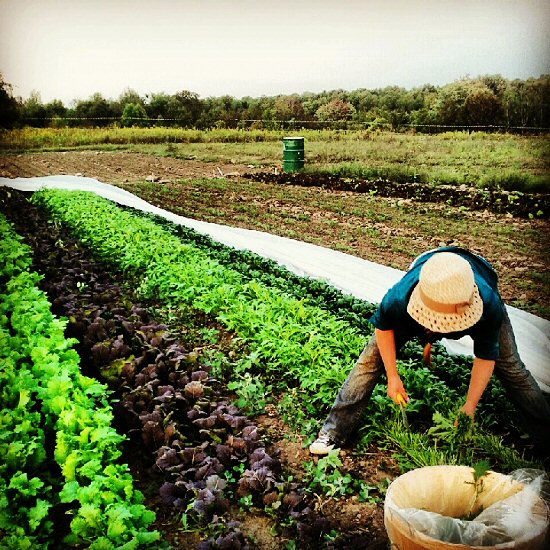
A steady harvest through a warm, hazy afternoon wound up quite early, with just about everything sorted, rinsed and bunched or bagged by around 8:30 pm. Smooth! The end-of-season crew has settled down to Jo, Lynn, Conall and me. Here, Jo and Lynn are harvesting a sparsely germinated but bountiful spinach patch (the second growth leaves are HUGE, fleshy, tasty and tender), while Conall cuts all-lettuce mesclun on the Greens Machine. When not snapping pics, I’m bunching kale in the last stand of brassicas. Filling in between the veggies, lush expanses of oats. In front of Lynn, a sprinkler from the last days of irrigation. The large clear leaf bags are used once for greens harvest, then saved for collecting mulch, or at least, trash. All is in order… It flashed through my mind how over the course of a few short weeks, everyone who came regularly to work in the field started with, in most cases, no experience, and casually transformed into a cheerful, efficient crew. Tiny farming must come naturally!

Comments

Spicy greens

Arugual, tatsoi, mizuna, red mustard

Although we haven’t had frost and the weather’s been overall incredibly mild, it’s still the fall cool season crops that’re doing best. Here, a mix of spicy brassicas, grown entirely in the post-flea beetle season—no row cover and no holes! There’s arugula, mizuna, tatsoi (a kind of bok choi), and red mustard. It’s a zesty, peppy salad on its own, or mix with lettuce. The leaves are a little past the baby greens stage—they’re growing so fast—so just tear ‘em up! (That’s what I say at the farmers’ market… :) Oh, and while the weeds have slowed down dramatically, they’re still around: can you spot the mallow?

Comments (2)

Cabbage and cauliflower

Harvested cabbage and cauliflower

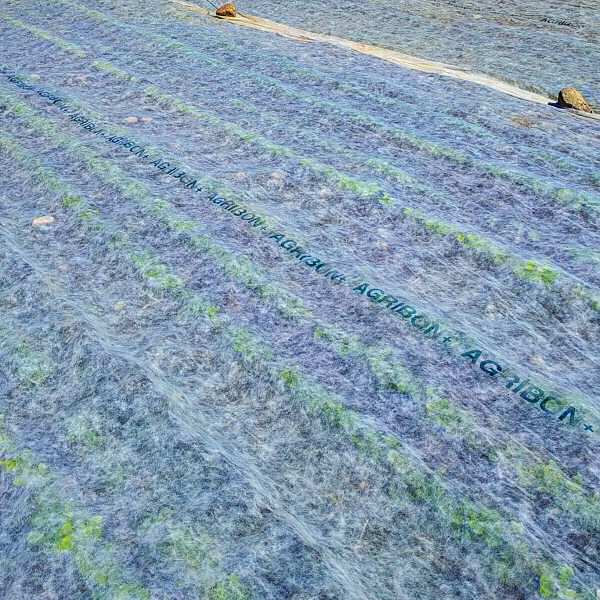
A pointy English cabbage (Early Jersey Wakefield) and a hybrid 55-day cauliflower (Early Dawn), side by side on the harvest wagon—not too common a sight! The main crop brassicas (broccoli, cauliflower, cabbage, kale,…) are easy to grow but harder to maintain when conditions get rough. Vicious flea beetle attacks on seedlings (and occasionally, when they really swarm, on mature plants) last from spring well into August. Floating row cover is a must. This in turn makes weeding difficult: either the weeds build up under the cover, or there’s a whole lot of uncovering and recovering to do. Then, the effects of regular drought can be brutal on big brassicas, and our spot irrigation doesn’t always keep up with their thirst. When more permanent drip irrigation is in place, the brasscia situation will get a lot better (next year!). Right now, every successful haul is a particular pleasure!

Comments

Latest brassicas released

Fall brassicas

On this bright and shiny Sunday, we finally released the last of the season’s brassicas from under row cover. The flea beetles have almost vanished and the plants need all the light they can get if they’re gonna make it to harvest. It’s still a bit of a long shot for the broccoli and cauliflower, but the early and prolific Red Russian kale should do fine. For what it’s worth, the long range forecast calls for a warm September—I’m still starting to slip into frost watch mode!

Comments

Crops for Fall

Fall brassicas

Newly released from row cover, five new beds of brassicas (cabbage, broccoli, cauliflower, kale) get ready for Fall. Beyond, tomatoes (and beyond that, the farm across the road, they gather honey). In front, a vacated section that contained the season’s first planting of peas seeded way back in April, and is now awaiting a mid-August green manure cover crop of…oats! And still, no rain…

Comments (2)

Heading out…

Greenhouse action

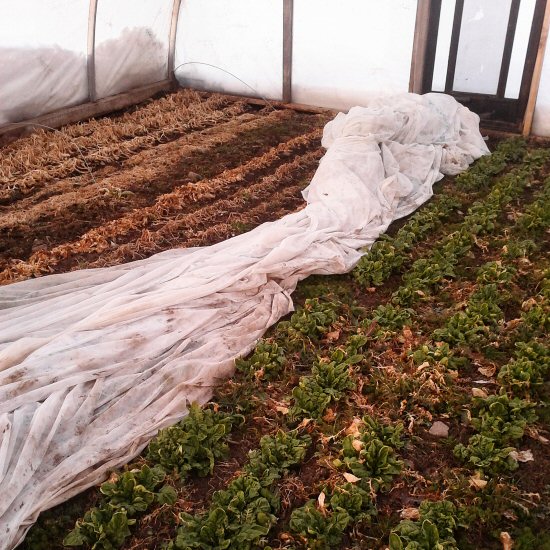
The cold spell seems to be broken, the nights are going down to zero F instead of -10. Time to start moving the main act to the hoophouse. First out, some hardy brassicas: a tray each of broccoli and bok choi, and a mixed tray including some parsley that I set out a couple of days ago as an extreme cold test. This is my first year for early season brassicas, so I’m a little cautious, although I’m well familiar with their general hardiness in the fall. These probably could’ve been out earlier. In front of the table, the lettuce, with the carnage renewed. Overnight, the voles tore apart another 10 seedlings, and I noticed they’d eaten the growing points off another dozen of the red lettuce, taking the toll to 30-40, depending on whether a few recover. Measures, as in, more strategically positioned snap traps and filling in the perimeter, have been taken. In any case, no worries, there’s lots more on the grow! OK, sitting beside the trays on the table, there’s the Heater, intended for construction sites and the like, which hooks up to a regular BBQ propane tank and provides a good amount of heat for surprisingly little gas. It’s not needed yet, but when the tomatoes and other tender guys come out, it will likely be on at night.

Comments (3)

TFB & the Web

Locations of visitors to this page

Best Green Blogs

Home and Garden Blogs - Blog Catalog Blog Directory

Add to Technorati Favorites

Foxkeh banners for Firefox 2