Burying Gold

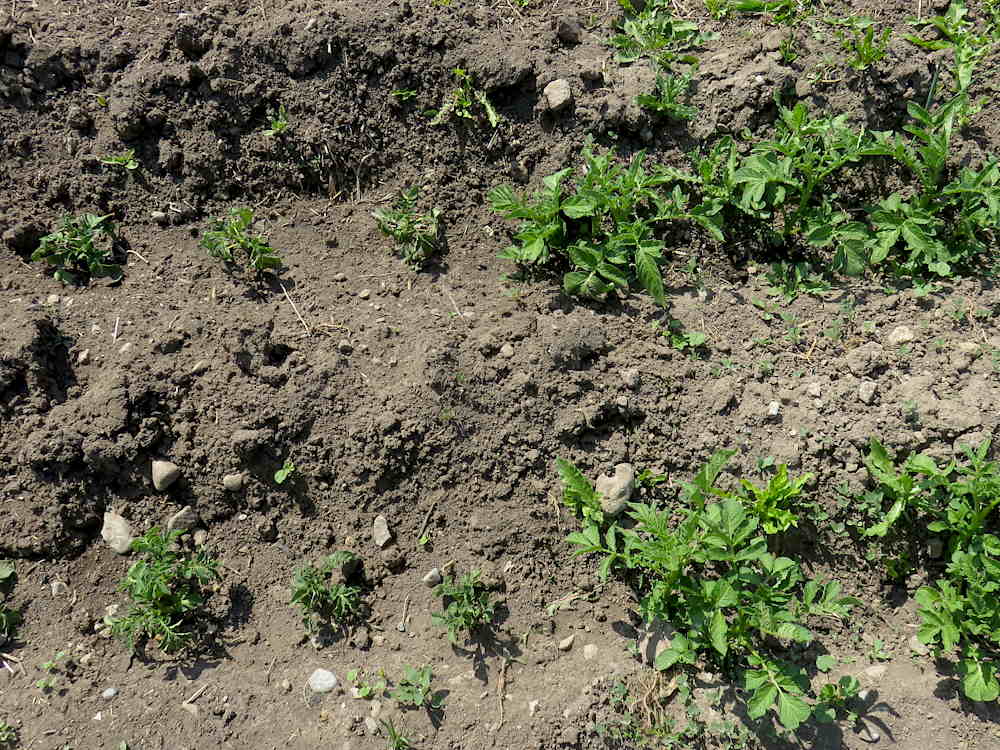
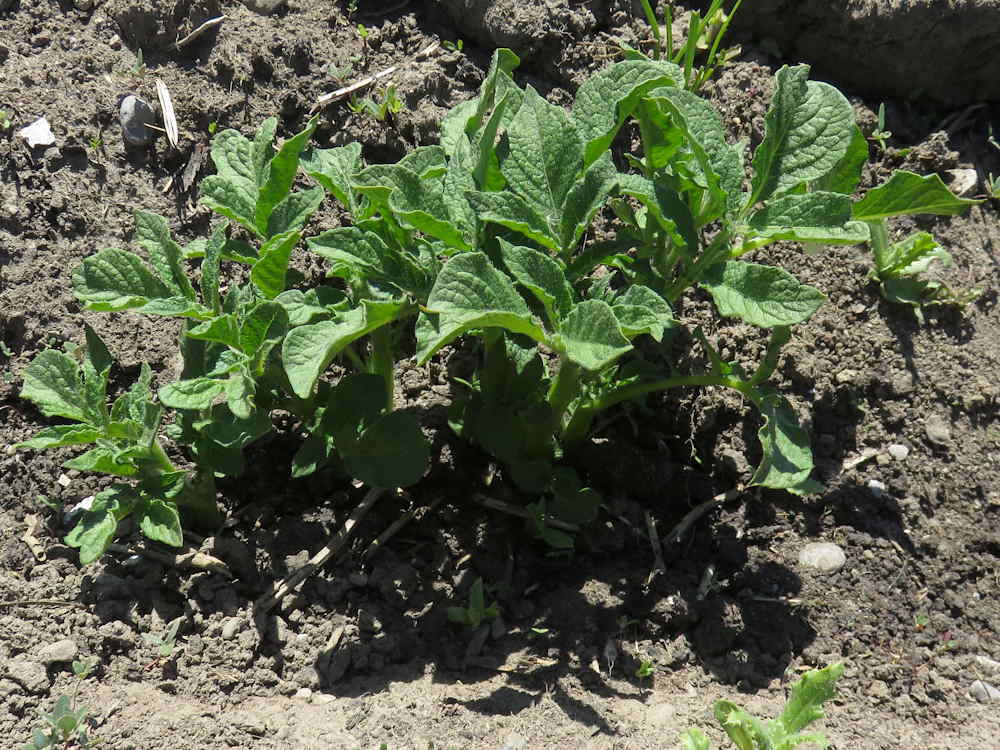
Planting Yukon Gold seed potatoes in a trench

Yukon Gold seed potatoes, placed in a trench, covered with a layer of on-farm compost made from cow manure, and carefully tended—watered and weeded, and hilled up with earth as the potatoes form upwards. In seven or eight weeks, scrabbling around in the dirt underneath the plants is rewarded by the first golf ball-sized new potatoes. So delicious. Yukon Golds were the first potatoes I planted—I almost remember reading about them and thinking of them as a kind of super-potato. “All-purpose” was the magical attribute. Starchy enough for fluffiness when fried, roasted or mashed, yet still with the firmness to hold up quite well in potato salad or a stew. These guys are spaced a foot apart, close enough to commune with their tribe, not so close they start to eat each other’s dinner. With decent weather, this batch will be a mouth-watering harvest just down the line!

Zukes vs cukes

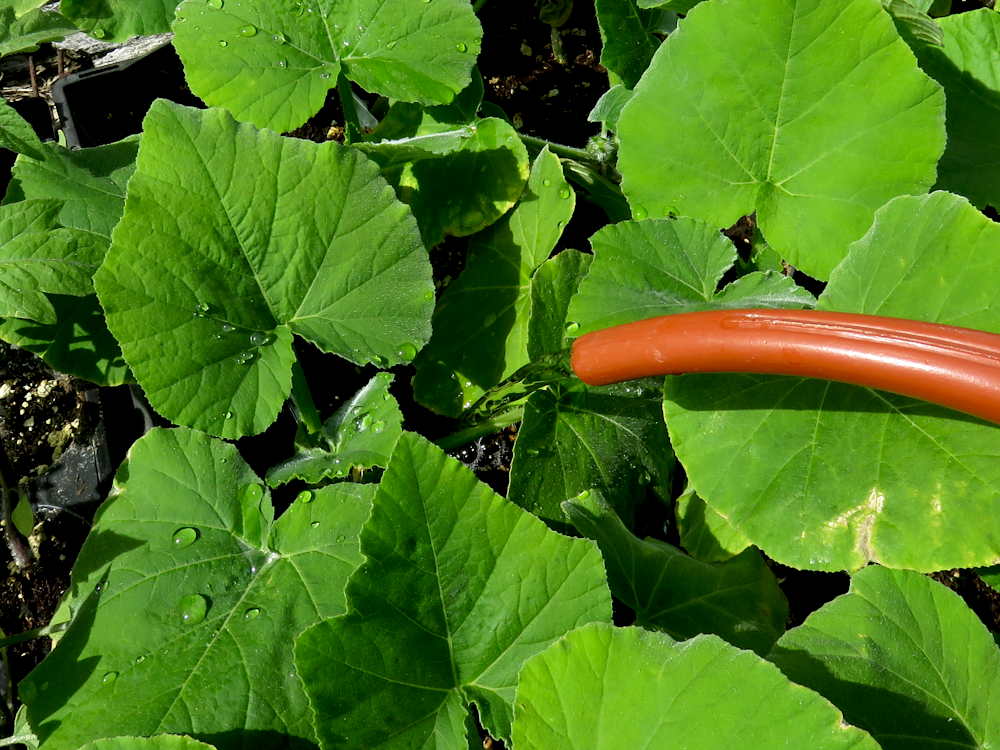
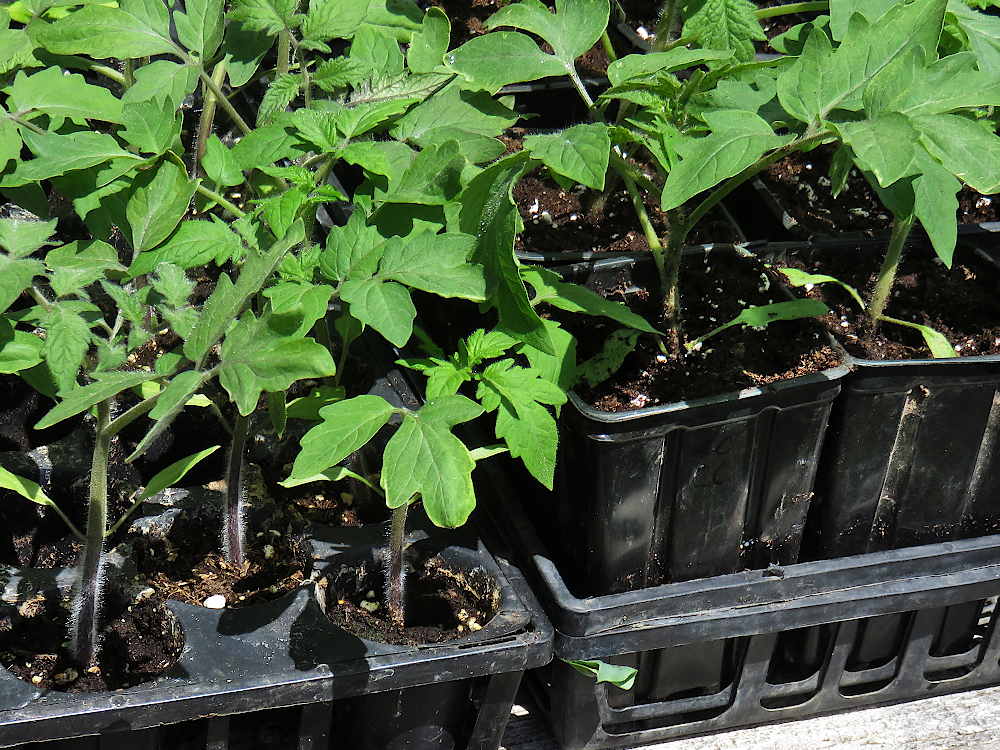
Zucchini and cucumber seedlings

Zukes vs cukes—same family, different natures. On the left, zucchini are big, bold, and prolific with fruit that blow up to dirigible class if you take your eye off of them and stop harvesting more or less daily. On the right, cucumber, more modest in appearance, preferring to vine out than shoot up, unless trellised. Cukes are about equally prolific in the quantity of fruit as the zukes, but not so prone to expanding when left unharvested. Here, barely two weeks from being seeds in a package, with very similar seed leaves (the first two leaves to come out), the difference in their true leaf size already displays their separate ways. Today, they’re out in the sun.

Gushing is good!

A gushing water hose—nothing more normal and mundane wherever electricity for pressurized pumping, and of course WATER, are in plentiful supply. This tiny farm is in such a place, yet the gushing hose signals something much happier, an elevated event, because it’s proof positive that the dug well that irrigates the field is back in action once again after another frozen winter.

Priming the pump is usually a mid-May thing, when freezing is over. The operation is simple enough: slowly pour a couple of gallons of water into the pump so it backfills the pipe that goes into the well, turn on the pump, and wait for it to catch. It may take two or three top-ups and retries. When water gushes, the pump is primed for the season! It’s not foolproof, though, the pipe could’ve gotten hopeless clogged, or the well-used and dilapidated pump and tank could decide to give up a seal or conk out entirely. Then the simple would likely become costly repairs or replacement. But not this time!

Details! If the irrigation fittings look small, they are indeed. I’ve seen photos of irrigation set-ups on big farms that are full scale waterworks, orderly grids of giant pipes. Here, the setup is a 1″ plastic pipe that snakes above-ground out into the field—it’s the disconnected part on the left. The pipe can be this small because it’s only meant for low-pressure drip irrigation, hand watering by hose, or a few sprinklers at a time: not every day, all crops, all the time. Also, a dug well like the one here doesn’t have an endless water supply, you don’t want to get ahead of its reservoir size and replenishment rate. Finally, the longer the pipe, the lower the pressure the closer you get to the end. Here there’s about 400′ of it, and you can notice the pressure difference at each of the taps spaced along it. It’s not geared to intense large-scale production, instead, a low cost way to connect a fairly distant water source to a thirsty veggie plot when there’s the need!

Grow the whole bulb!

A left-behind garlic bulb from last year has set out on its own, with six cloves all making their way. Decided to leave it to see how things turn out. Not the greatest experimental venture into the unknown: in this quite heavy soil, when things are multi-planted, when it’s veg that grows in the ground in one spot, they tend to crowd and even flatten the sides of each other where they press together. This I know from experience. So expect small, maybe partly flattened new garlic in a couple of months!

Curing garlic

Garlic, harvested and stacked to cure by air drying.

The invasion of the leek moths a few weeks back left the garlic somewhat ravaged but unbeaten. The moth larvae seem to have been stopped up top, snipped and pinched and dug out before they had a chance to tunnel their way down through the stems, reaching the bulbs, and eating into them as well. Instead of that, the harvest has turned out just fine. The bulbs overall are a bit on the smaller side, but the cloves are nicely filled out, so…all’s well. A few weeks of air drying till everything’s woody and brown, then done!

Best lettuce!

Mezquite variety of romaine lettuce

Just watered heads of Mezquite lettuce, doing well given all the heat they’ve had to deal with over the last weeks. This is a great, fast-maturing romaine lettuce. It’s sweet and crunchy, even in full summer heat that makes most lettuces strong flavored, with a slightly bitter edge.

I grew up with mild lettuce, the standard supermarket fare that’s sourced from wherever the crop grows most abundantly. Here in the mixed veg world of the tiny market garden, no crop can expect its own perfect conditions. That doesn’t mean inferior vegetables, instead, you get a full range of tastes. Grown in summer heat, lettuce often develops a full-bodied flavor and a pleasing hint of bitterness—with a little oil and vinegar, salt and pepper, or in a sandwich, it’s a whole new, elevated taste bud experience!

Anyhow, this Mezquite variety combines full flavor with sweetness, holds up well in all conditions, matures a week or two faster than most other romaines, and is even open-pollinated so you can save the seed. As long as a roving critter doesn’t breach the defenses, like the row cover these guys spend much of their time under, they’re a treat in the making! I harvested a couple today for early tasting purposes…