
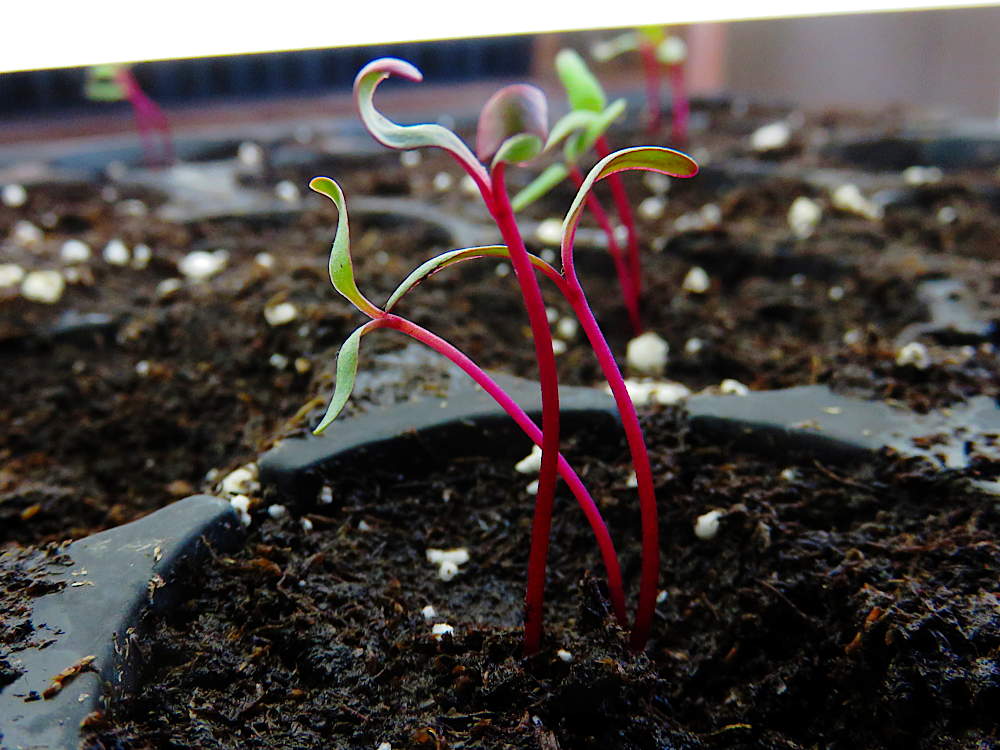
One of the basic things you learn about growing beets is that the seed isn’t actually seed, it’s small dried fruit that contain up to three or four tiny seeds. You’ll often get a tight little cluster of seedlings emerge, which could be a problem if you were precision seeding, going for exact spacing and no thinning. That sort of preciseness has never been a factor on this tiny farm—dealing with the vast volume of tiny carrot seed poured out by Earthway seeders in early years totally eclipsed any thinning issue one may have had with beets. Still, here’s PROOF. Beets aren’t transplant crops, but in this gardening year, I decided to try some in plug sheets. One shriveled fruit per cell. And here you can see, one “seed”, three seedlings! Could’ve also cut one open, but what’s the fun in that! They’re looking quite stretched under the fluorescents. Carrots definitely don’t like to be casually transplanted—they grow, but in my one experiment, they produced stubby little carrots. Probably something to do with the tap root being disturbed. Beets could be the same!
germination
Debatably late
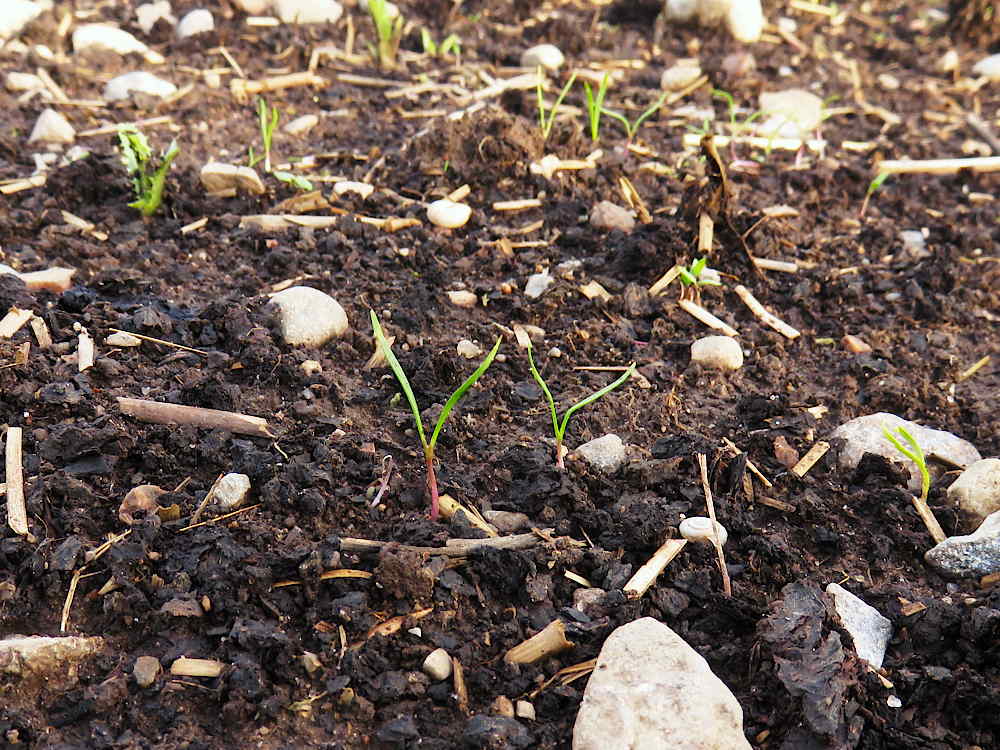
Much more me than the carrots in thinking they were taking so long, they weren’t going to arrive at all. The variety is Miami, a reliable hybrid, and the seed is from last year. To me, that’s fresh and ready to go. Given the recent soil-warming heat, uninterrupted moisture from watering and rain, and nice thick black landscape fabric cover to keep the heat and moisture in, I figured when I checked on day 7, then 8, they should be up and yelling for the sun. But there was nothing. I took off the cover, and didn’t let the bed dry out, but I was about to reseed. Then one more day went by, and there were a few tiny carrot seedlings starting to arch out of the soil. Still skeptical, I ignored it for another day, then checked this evening and…decent germination—actually, they’re really popping!
It’s not out of the ordinary, this production thinking that gets out of sync with reality. Patience is often rewarded. In this case, it’s not as dense germination as an Earthway seeder overseed, but it’ll do for a first round, and that’s over a week not wasted in re-starting the season’s first carrots! :)
Potato spotting
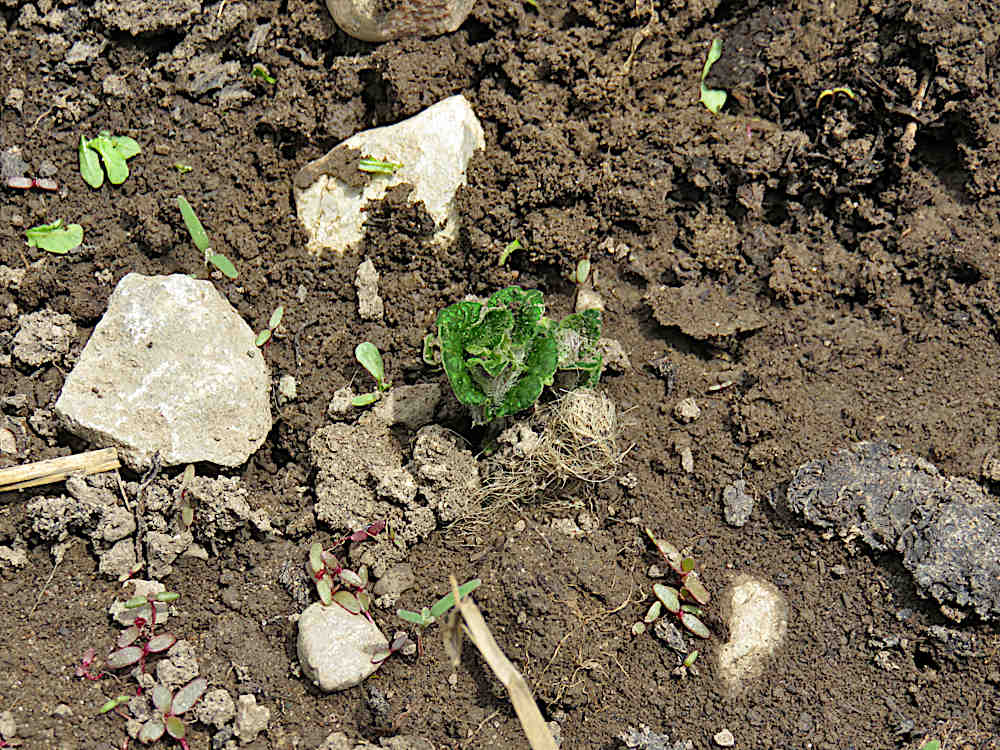
When you spend a lot of time scanning the ground for the very first sign of germination, you get pretty good at spotting new seedlings as they emerge. This new potato plant is easy, it’s quite large, with a rosette of crinkly, distinctively dark green leaves. Carrots and green onions are a whole lot tinier. Beets, spinach, and brassicas can at first look pretty much like the weeds that pop up around them, they blend in. Still, no matter the crop, after a while, you develop a seedling recognition system that automatically zeroes in on even a single new arrival, just like that. It’s always a pleasure to see that seeds are still getting along with the weather and doing their thing!
Spinach in the field

Yay, spinach! Seeing direct seeded crops germinate is one of the most satisfying things in the field. Here, it’s spinach, Reflect variety, seeded a few days ago, coming up nicely. In general, seeds do germinate, that’s a good starting point. But there are lots of variables, and the unpredictable weather extremes that have become the new normal don’t help. Is the seed new this year, or has it been around for a year or more? What conditions does the particular veg like: ground always wet until germination, soil temperature not too low or too high, seed not too deep or too shallow, and so on. It sounds more complicated than it is, only because, as a tiny farmer, you have little control over any of it. You lay seed down at a reasonable depth, water it in, watch, hope for the best, and prepare to reseed if things don’t go your way!
Looking tiny by comparison, you can also see redroot pigweed seedlings popping up. They’re easy to handle if weeded early. Otherwise, a no-joke garden invader!
First tomatoes
The generally reliable Big Beef variety, five days old. Always the little miracle to see dry specks of seed germinate with a little warmth and moisture, and to imagine them in four or five months, sprawled around the field (or maybe, supported), producing a steady supply of tasty, hybrid-perfect beefsteak tomatoes!
Seeds under plastic
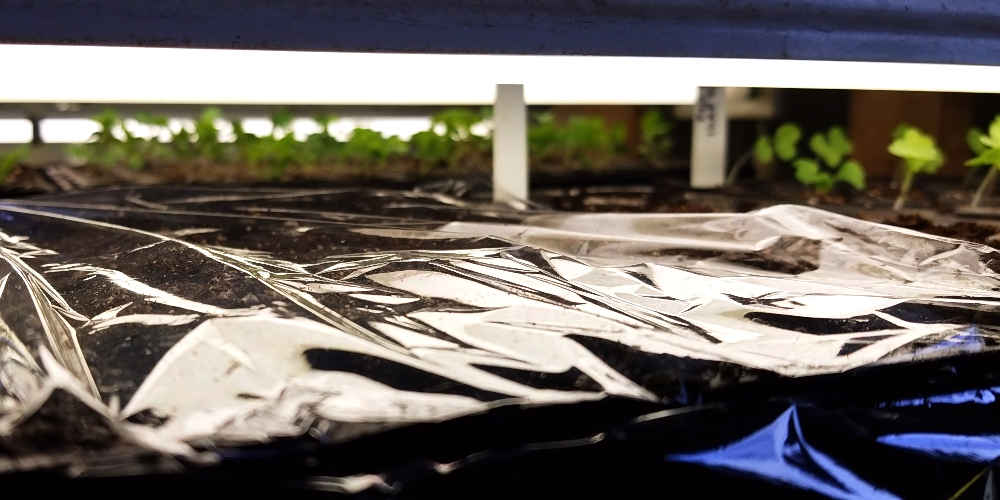
Plastic that looks like plastic adds its own surreal touch to any scene. I use sheets of food wrap to cover plugsheets trays until the seedlings push up above the surface. The plastic holds in heat and keeps the seedling mix moist, both of which the seeds definitely like. As soon as the seedlings emerge, off comes the plastic. Time to let the air flow. I reuse new sheets of wrap for a whole season. With use, they lose their clinginess and are that much easier to handle. The little things add up!
Bare root seed starting
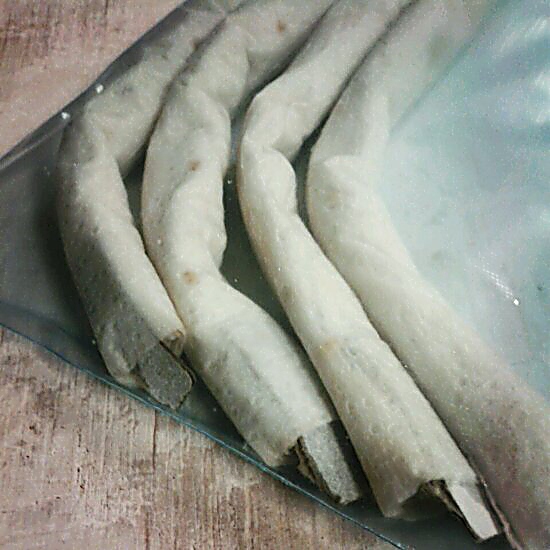
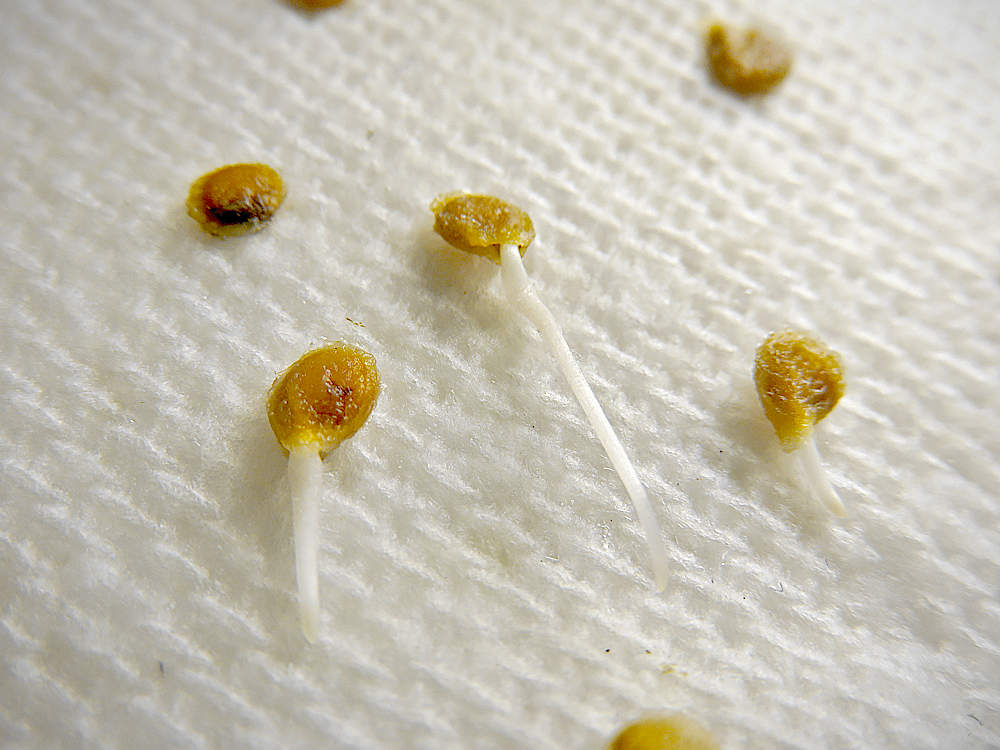
It doesn’t get simpler than this for seed starting in controlled conditions: the bare root approach. Spread seeds on paper towel, place another paper towel on top, mist with a spray bottle, roll up (don’t forget to mark the rolls if you are doing more than one), and place in a ziploc-type sealable plastic bag. Then, put the bag in a warm spot, light not required. Be sure to check on the seeds daily, as they can use the oxygen! Within a few days, you will see the little white radicle tip emerge, and from there it is root growth in action. When to take them out is open to experimention: all the veggie seeds I’ve come across are pretty tough and wanting to grow, given the minimum reasonable conditions, so you can plant right at germination, or a couple days down the line with more root. As always, there are lots of variables to consider, play around with, and so forth, but you should be generally fine no matter what. Since I usually only do this for germination tests, I don’t actually plant them (cruel, huh?!). Other materials than paper towels (they shred easily when wet, an advantage when separating if roots start growing into them) and plastic bags could be used—kinda interesting, a while back I checked the book and called my certification agency to see whether there were organic standards for the paper towels used with this method, since they are in such intimate contact with the seeds at such an early stage and who knows what’s in the paper, but no…this is not covered, anything goes, if you’re certified, this would be, well, certified organic. Anyhow, this year, these seeds are for production: here, it’s sweet peppers, eggplant, and tomatoes! We’ll see how it goes!
NOTE: Yeah, I am still messing around with my phone camera and the sometimes cheesy photo filter effects in Instagram for Android…