
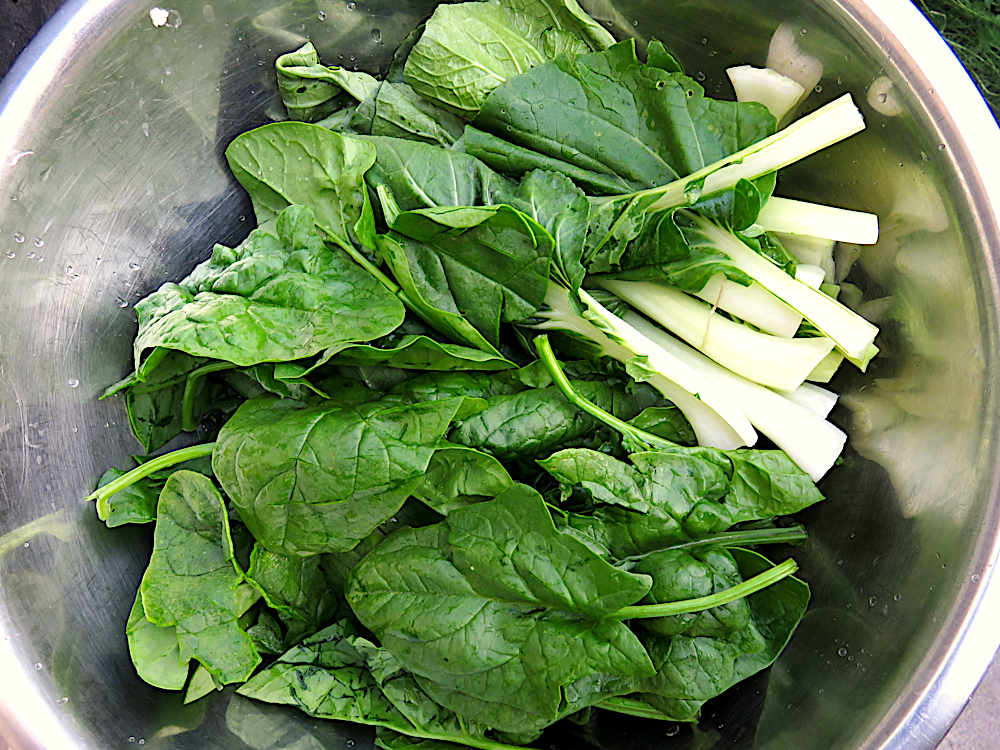
A small harvest of spinach and bok choi for dinner! It’s always a pleasant little shock to taste the first of the season’s garden-fresh veggies. After the winter months when the only fresh produce is grown in faraway lands, it’s a treat. In recent years, I used to buy a limited amount of veggies in winter. Onions if I ran out of my own. Green onions. Sometimes cauliflower and broccoli. Salad mix. Nowadays, I freeze spinach, kale and cauliflower. That, along with stored beets, carrots, and winter squash, covers most of the winter. So, for food satisfaction, the first new harvests every year are a big deal! :)
Spring
Pellets of goodness
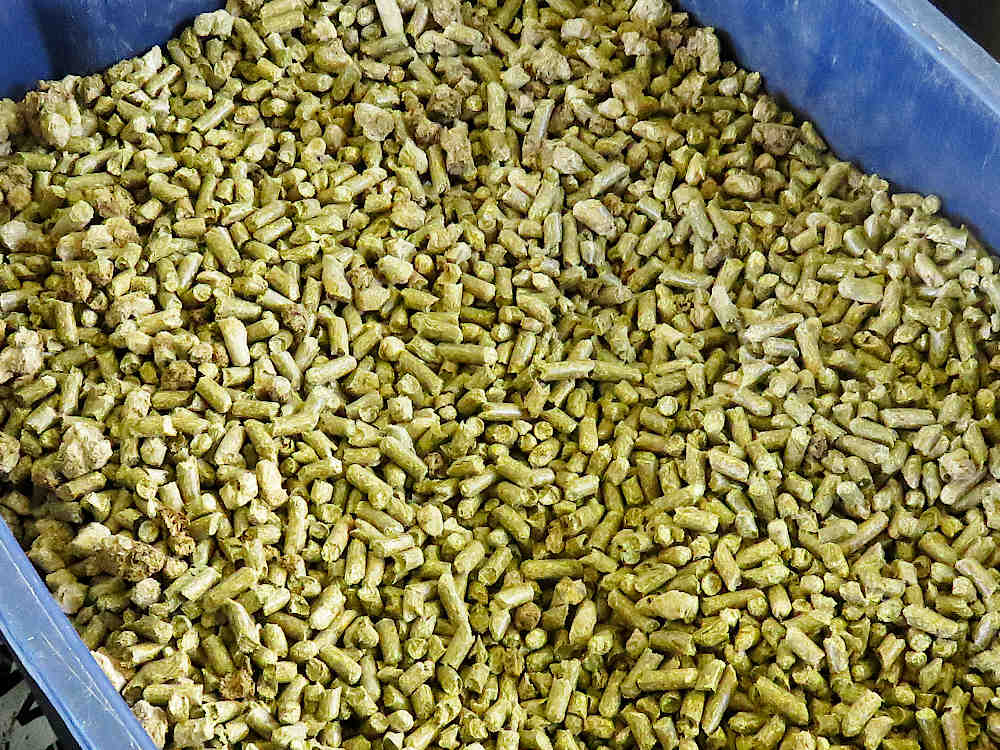
One person’s low-interest bin of unidentified golden-brownish stuff, is another’s stash of pelletized alfalfa goodness. This is plain old alfalfa, the plant in the pasture that cows especially love, dried and compressed into pellets. No additives, nothing but dry plant pills. They’re a great fertilizer in the veg patch. One season, I counted on mostly pelletized alfalfa, instead of the usual cow manure, as the main plant food and it worked out fine. It’s also quite inexpensive, compact, easy to store and spread. Nowadays, I use it to top up beds over the season, after the main composted manure spreading. At one point, I had all the numbers – how many pounds/kilos per bed, cost per acre – and nutritional details, in front of mind. Now, using it as a top-up, all that has receded and I eyeball it. Just scatter.
Bonus onions!
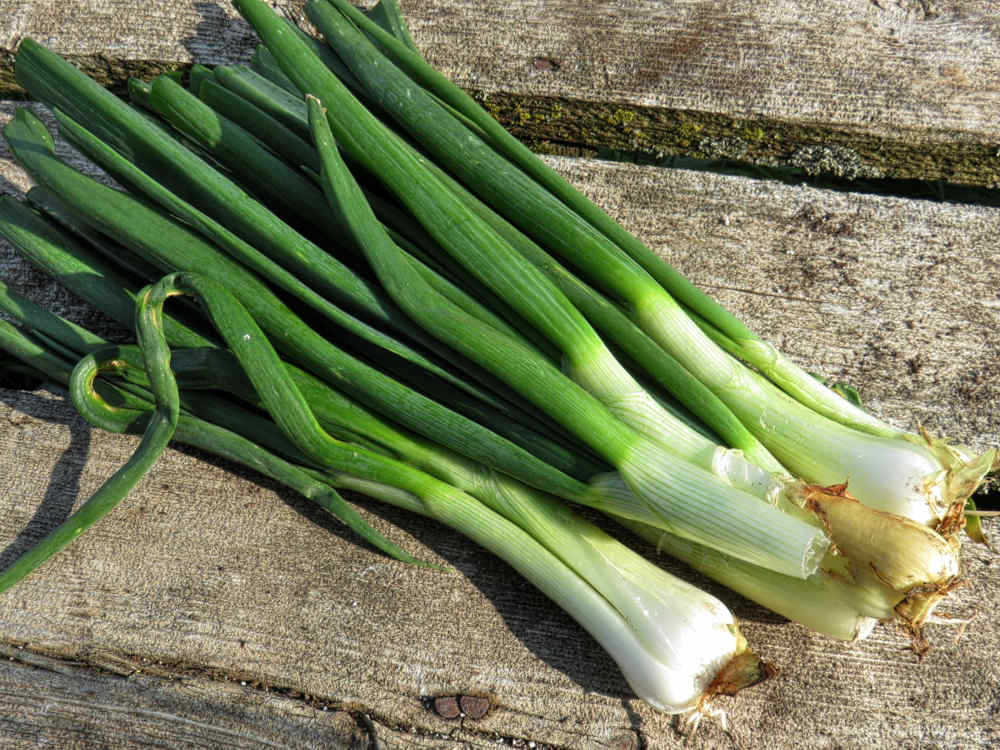
Leftovers from the previous season can turn into a delicious spring surprise! These onions grew from ones that were overlooked during fall harvest, and in a spot that hasn’t yet been tilled. There’s an official name for this: volunteering. Strictly speaking, I think a volunteer plant means it comes from seed dropped by a previous crop, or carried in by wind, birds or otherwise. These onions are new growth this year, from mature onions left in the ground over winter, kind of like leaves coming back on a tree. In any case, I think of them as volunteers, but mostly as a tasty treat.
Onion sets
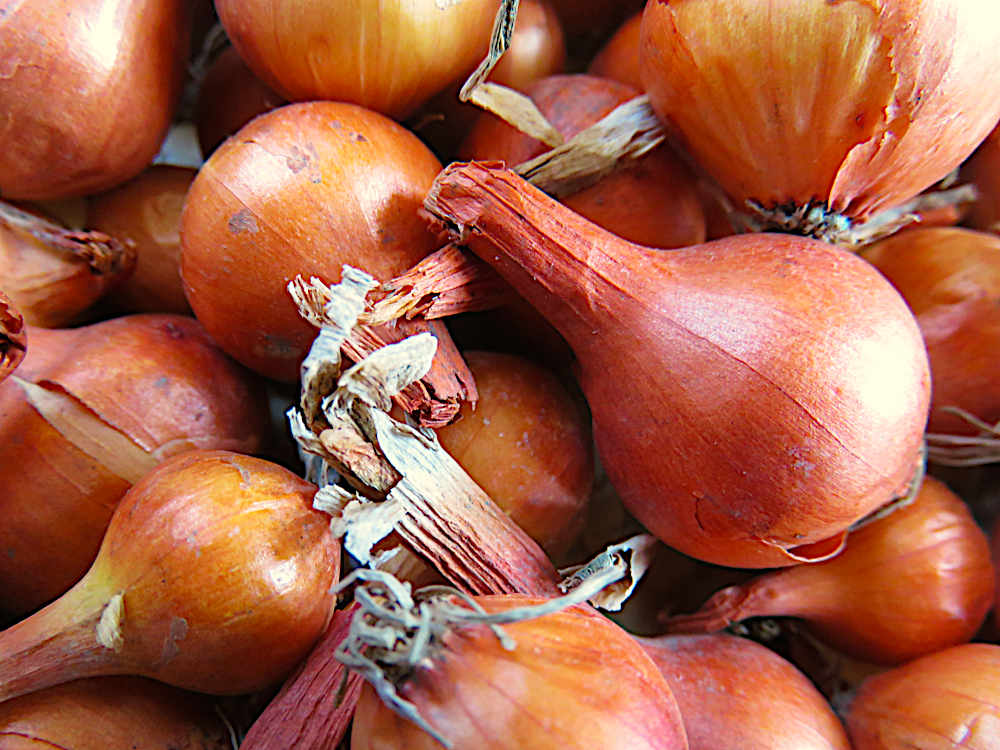
Tiny onions, grown the year before, pulled up early and dried out, are known as onion sets. They’re a bit of a shortcut. Pop them in the ground, and they begin growing again. Starting onions from seed gives you a lot more choice in variety, but it also means taking up indoor space under the lights to produce seedlings. When you simply want…onions, in the tiny market garden, onion sets is a quick and easy way to go!
American crow
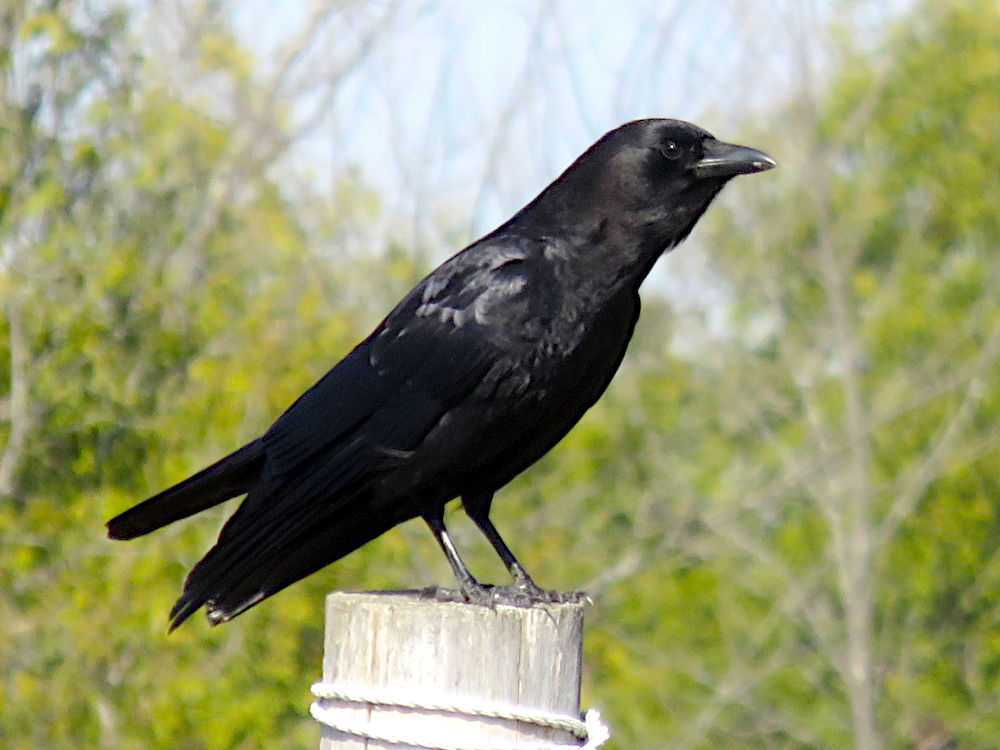
A crow on a post. This is called an American crow, I believe, to be specific. I kinda, well, not envy them, exactly, but would like to try it out. The flying and casually perching on high for a look around. I’m in the field for the better part of most days, and practically none of that time is spent feeling immersed in nature. It’s more about whatever the task at hand. When the work is repetitive, which it mostly is, thoughts are floating around in my head, or I’m listening to a podcast or music. All through the day, though, the everyday intricacies of nature nudge to the front. I’ll stop to gaze at a hawk lazily circling (and think about which veggie-devouring critter it might be eyeing for lunch). Or suddenly notice the busy hum of bees and sit back from weeding to watch them at work. Or be slightly startled by the way tiny zucchinis have grown to dinner-size literally overnight.
Baby brassicas
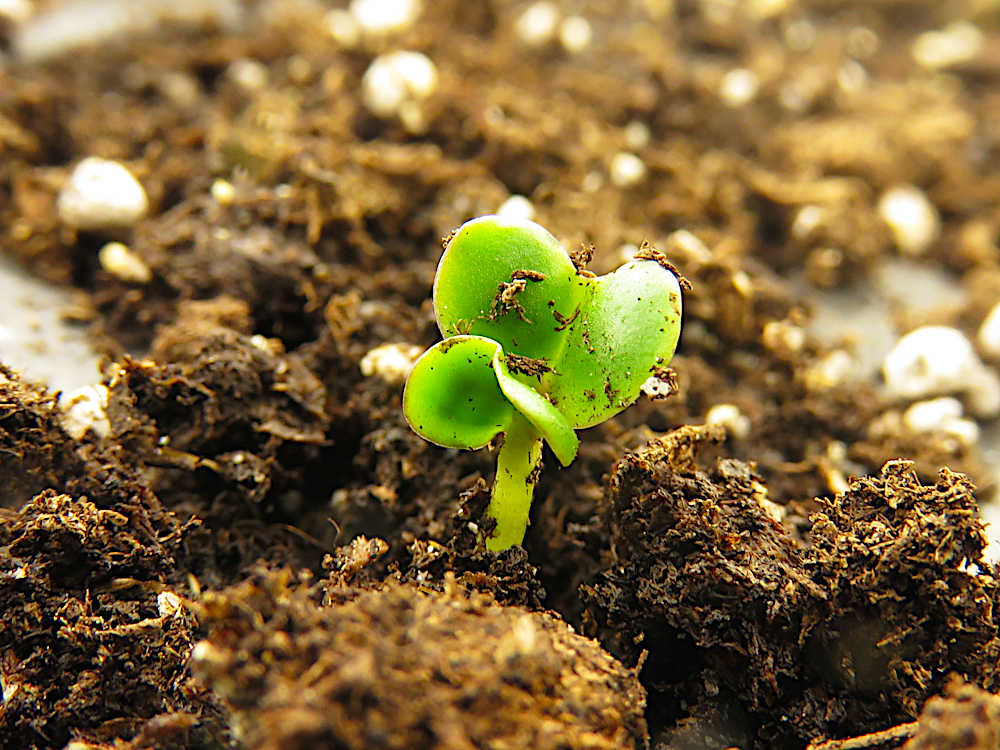
Broccoli? Brussels sprouts? I forgot to check the tray after taking the pic, so I can only narrow it down to one of the two based on size. They’re both in the quite vast garden veggie branch of the brassica family, that also includes cabbage, cauliflower, kale, mustard, bok choi, radish, lots more. The first pair of seed leaves look pretty much all the same. Next leaves take on their own look. At this point, they’re all similar, tiny and pushing up…
March field peek
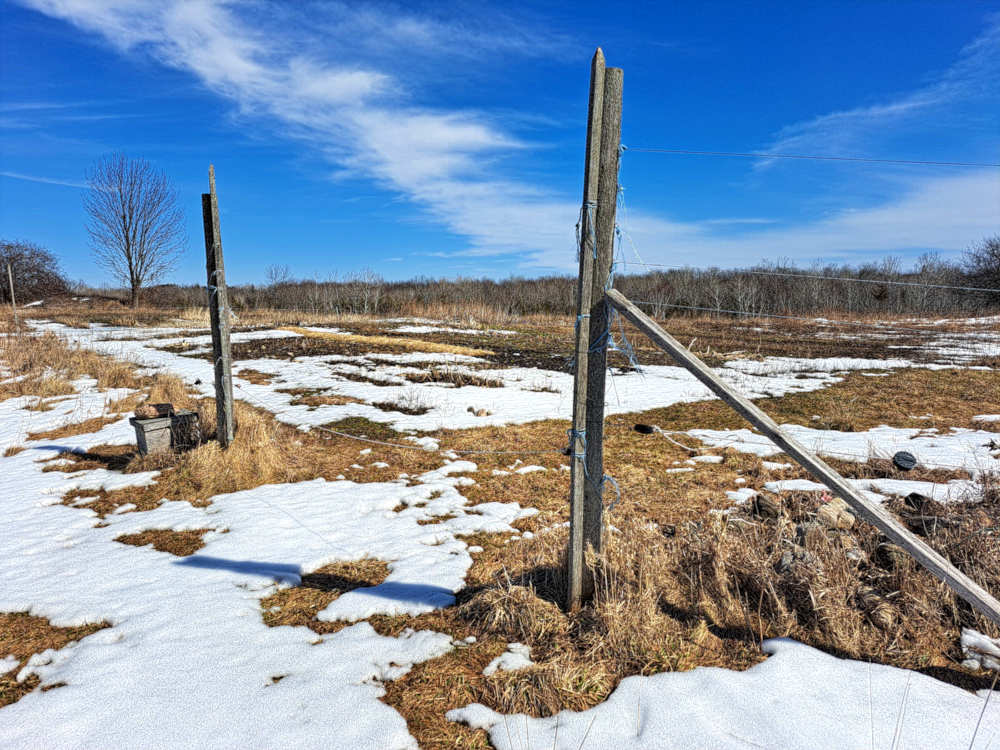
An early spring look at the field, as the snow recedes and the soil takes over. This is the exact moment when the new season begins for me. Seedlings are already growing indoors, planting plans put to paper, things are underway. Still, it only all makes sense out here, with the musty wet smell of decayed vegetation, my boots sinking into the sticky clay mud, wondering when it will dry out enough to work. I see the single strand of electric fence, all that stands between garden and pillaging deer, stayed up! (You can see part of it strung between the gate posts.) Some winters it falls and critters chew through it in a spot or two. Not having to fix it means one less thing to do!