
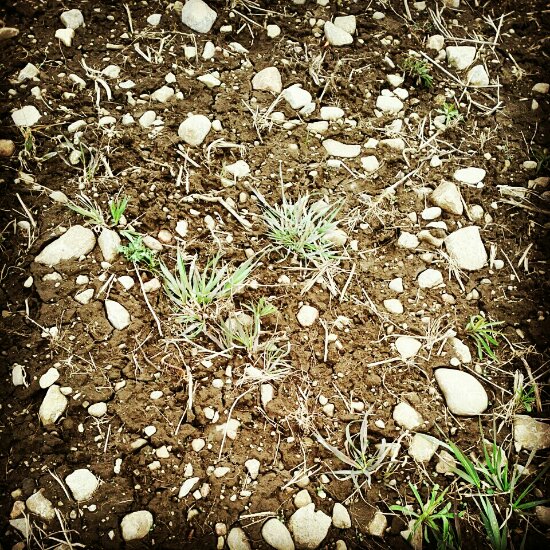
Rocks, rocks, as far as the eye can see. This is how the market garden field looks, before the post-winter work up. Months of snow and rain, have washed the surface rocks clean, so it looks worse than it is. Still, a lotta rocks, pushing up fresh each year.
Bare-root transplant
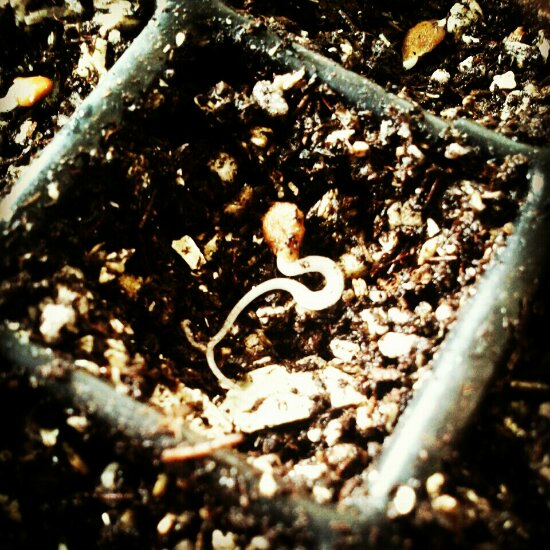
It’s out of the moist paper germination environment, and into the wilder world of the cellpak. This is a baby golden cherry tomato—can’t you tell?!—going into standard sterile seedling mix of equal parts perlite, vermiculite and peat. As long as the root hasn’t gotten too long, I just plunk ’em down, cover and water in, letting the roots find their own way down (a few years back, I probably would have made tiny holes and painstakingly inserted each one, but really, they seem to do that work a lot more efficiently). On a side note, I think I heard that perlite or vermiculite (maybe both) have made it into some people’s not-so-environmentally correct category, along with peat. So complicated—I will look into that. :)
Eggplant!
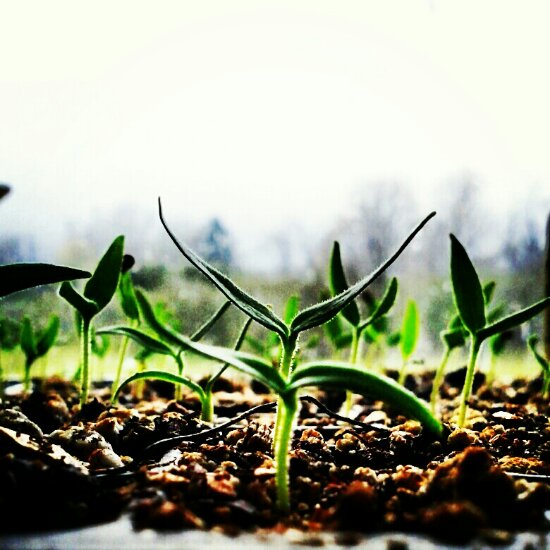
Eggplant pushing up, for the first time probably ever in my tiny farming career, in real sun, not those kinda ghastly (but effective enough) fluorescent lights. This is part of the current season’s unusual start-up, split between two farm locations (where I live and where I grow, about a mile apart, eight minutes by bike!), and smaller and way later than usual, and than the crazy weather allowed. These guys, along with peppers and tomatoes, are in 200- and 128-cell trays, seeded from bareroot germination into a smaller cell size than the usual 72, to make the most of window space. They’ll soon be off to the seedling room on the other farm, and 14-hour days of indoor lighting. Meanwhile, they seem to like it like this—raise your hands in the air! :)
Mixing greens
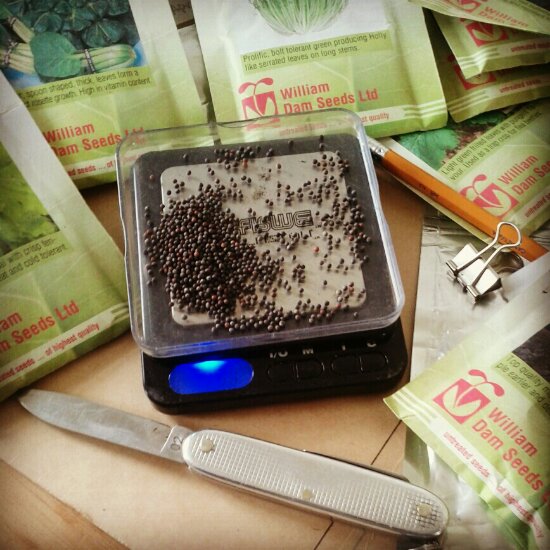
Measuring seed for lettuce and Asian greens mixes, using a digital gram scale from the local headshop. It works well, except I wish the auto-shutoff didn’t happen so quick. I was quite amazed by the selection of digital scales available, starting at, I think it was $20, and going up in $5 increments for a whole slew of models. Didn’t realize so many people were into making their own small-batch seasoning blends and custom salad mixes. Wow. Hahaha. The mixes are basically trial and error. For salad mix, it’s about color and texture at this point: frillier, greener, redder, crisper (baby Romaine is nice in there)—check the results, adjust the percentages for next round. For the Asian greens, it is more about taste, which so far has mostly come down to how much mustard to put in. Of course, how quickly they each grow is quite critically important, all varieties should grow at the same rate, in a fairly wide range of conditions. The lettuces are easier, and I started with some varieties recommended for baby leaf production for just that reason: fast-growing. The Asian greens, all brassicas at this point, are trickier. For example, tatsoi was included in our first runs, but it consistently grew lower than the rest, the leaves were a nice size, but when cutting, they tended to fall halfway below the blade. So, out goes the tatsoi, for now. It’s all about simple experimentation and adjusting things a bit as you go! (BTW, the knife is there just to slice open seed packs; for no real reason, that’s how I always do it…)
Garlic check-in
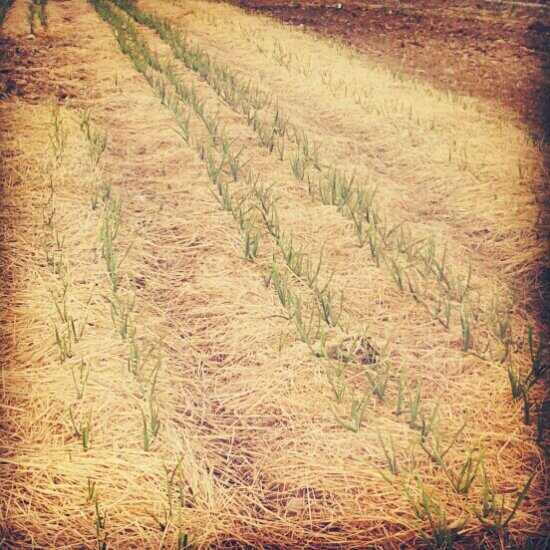
Yep, the garlic is growing steady, unfazed by 25°C/77°F days tumbling to sub-freezing nights, still apparently unappetizing to deer in spite of their almost unnaturally healthy green standout glow against the hay and straw mulch. Very nice! The difference between larger cloves, planted in the middle bed, and the smaller ones on either side, set up by Tracy and Jesse, is still quite noticeable. We’ll see how they catch up.
Bare root seed starting
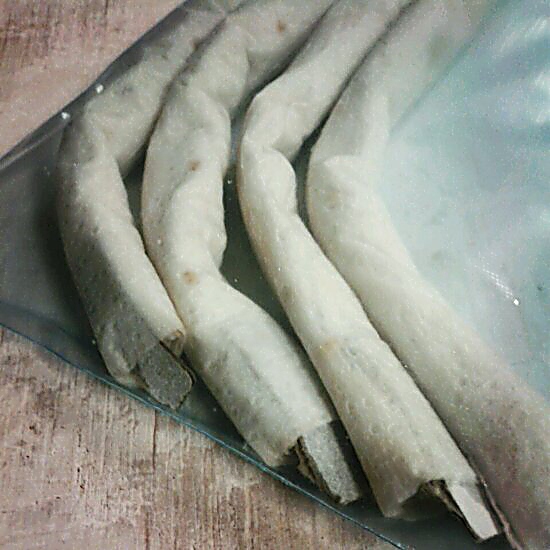
It doesn’t get simpler than this for seed starting in controlled conditions: the bare root approach. Spread seeds on paper towel, place another paper towel on top, mist with a spray bottle, roll up (don’t forget to mark the rolls if you are doing more than one), and place in a ziploc-type sealable plastic bag. Then, put the bag in a warm spot, light not required. Be sure to check on the seeds daily, as they can use the oxygen! Within a few days, you will see the little white radicle tip emerge, and from there it is root growth in action. When to take them out is open to experimention: all the veggie seeds I’ve come across are pretty tough and wanting to grow, given the minimum reasonable conditions, so you can plant right at germination, or a couple days down the line with more root. As always, there are lots of variables to consider, play around with, and so forth, but you should be generally fine no matter what. Since I usually only do this for germination tests, I don’t actually plant them (cruel, huh?!). Other materials than paper towels (they shred easily when wet, an advantage when separating if roots start growing into them) and plastic bags could be used—kinda interesting, a while back I checked the book and called my certification agency to see whether there were organic standards for the paper towels used with this method, since they are in such intimate contact with the seeds at such an early stage and who knows what’s in the paper, but no…this is not covered, anything goes, if you’re certified, this would be, well, certified organic. Anyhow, this year, these seeds are for production: here, it’s sweet peppers, eggplant, and tomatoes! We’ll see how it goes!
NOTE: Yeah, I am still messing around with my phone camera and the sometimes cheesy photo filter effects in Instagram for Android…
Planet Jr. rides again
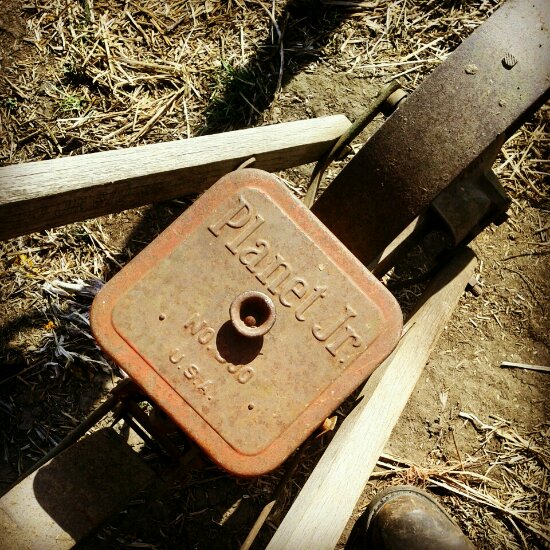
Rolled out the Planet Jr. seeder and got in a first 300′ of peas. Sugar Ann snap peas, that’s edible pod. This is just ahead of three days of colder temperatures, rain, and possibly snow. Since the weather forecast lately more often than not doesn’t even get the rest of the same day nearly right, who knows?! Still feels good to get that in. First direct seeding of the year. Yay. (Oh yeah, the new photo format is from Instagram, an app I’ve been playing with on my phone, kinda like Twitter for pics. And I started this post from my phone, but finished writing it on the laptop. Technology: enjoy it while you can! Hahaha. :)