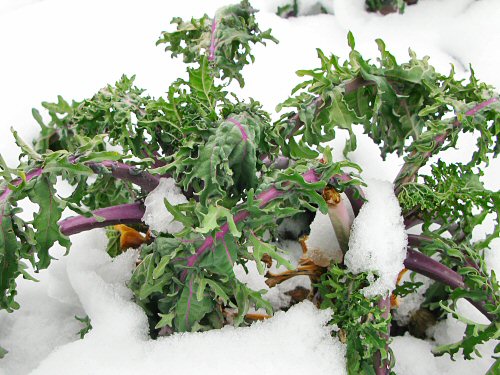
Veggies in snow

Every season there’ve been hardy veggies left to the cold and snow, and this season, it’s a record quantity, with nearly 2,000′ (610m) of broccoli, cauliflower, cabbage, and kale that mostly started sizing up just as the farmers’ market finished at the end of October. It seems like a waste, but it’s only a typical garden gamble on the weather (I was trying for an extra, really late crop). The risk was clear back in August, and we didn’t get enough sun to push things along a tiny bit quicker. We did harvest a lot of the Red Russian flat-leaf kale (above), for a good four weeks, and one round of 1-2 lb (450-900g) cabbage (a nice size for a meal for one or two). And there’s been a lot of personal-use picking in November. The rest is a giant farm lab experiment, more exploration of the snow-on-veggies effect

More than the snow, the many nights of extreme cold (-15°C/5°F) that came with it this year really blasted these guys, wilting them and burning leaves and buds. So, none of the crops are too firm or pretty, BUT, they’re still alive: for the most part, there’s good color and texture. The kale, always super-hardy, did the best from a let’s eat some perspective, with good texture and great taste. The broccoli, while a little wilty on the stems and burned on the buds, also tasted great, fresh and flavorful. The cauliflower did the worst, the heads really damaged by the freezing and thawing, too mushy for me to bother with a taste. (Eating raw was fine, but how would this all cook up? We may see…) We’d already reaped most of the filled-out cabbage, so the rest aren’t going to go anywhere from here…

What’s all this odd information worth? Not much, I guess, I’m not planning on deliberately planting for snow harvests. But checking things out is always fun, no experience goes to waste, and there is at least one advantage to knowing there’s still good eating out there: the laying hens will be feasting on a fabulous greens buffet for a while!
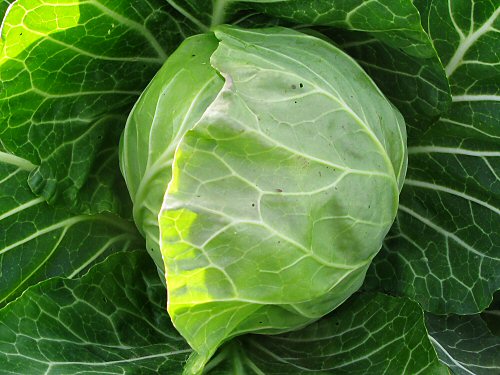
The incredible shrinking harvest!

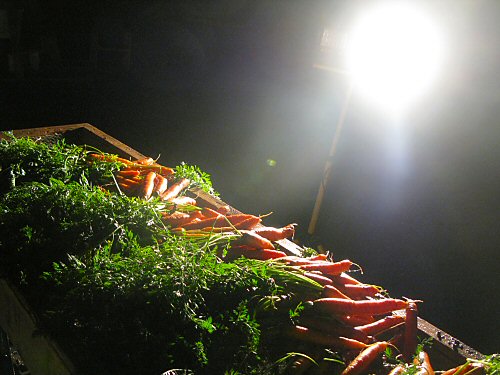
The Friday harvest is shrinking. This is the second to last of the year, and the last for CSA members, and we’re down to mainly root veggies. Some of the last cabbage planting has firmed up, and we’re picking them as “baby,” about 1-2 lbs (450-900g) each (multiplanted, the yield is good, the size really convenient for cooking, and the taste quite fantastic). And there are beets, carrots, parsnips, plus onions, garlic and other storage crops. And some lettuce… As the harvest gets shorter, so do the days, and I’m out rinsing beets and carrots after dark once again. Try not to get wet when it’s COLD…!

Fall crop watch

Fall brassicas

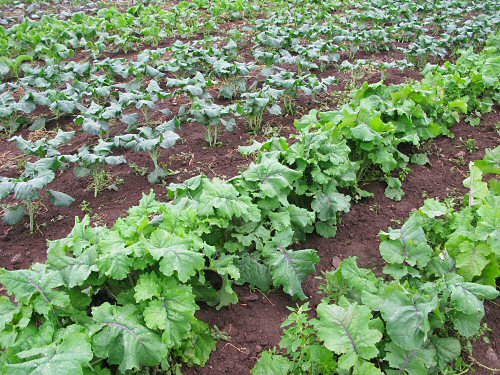
After a good weeding and another round of rainy days, the fall brassicas are pretty well on their own. It’s amazing how quickly growth slows down in September—what a difference the sun pulling away makes! The kale and collards are doing fine—we’ll be harvesting some Red Russian kale tomorrow. Broccoli and cauliflower will come through. Whether cabbage, planted this late for harvesting at baby size, will make it by mid-October is up in the air. More gambling and waiting to see…!

Last of the season’s brassicas

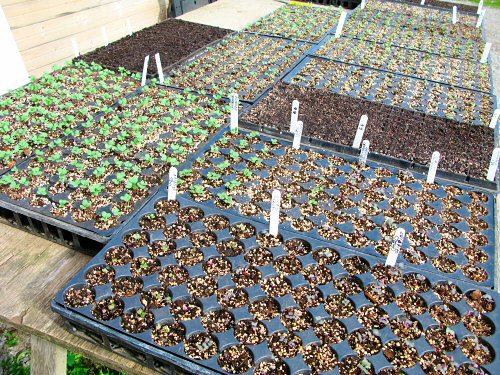
These brassica seedlings—broccoli, cauliflower, kale, early-maturing cabbage—were started a week ago, way late by any planting guide standard for our region, but I’m going by the reality of our recent crazy weather. Last year’s “late” cabbage family seedlings did just fine, so I’m gambling again! There are a couple of 200-cell trays of lettuce in there as well…

Cabbage and cauliflower

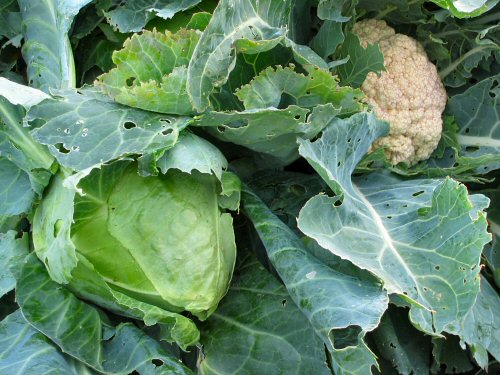
A pointy English cabbage (Early Jersey Wakefield) and a hybrid 55-day cauliflower (Early Dawn), side by side on the harvest wagon—not too common a sight! The main crop brassicas (broccoli, cauliflower, cabbage, kale,…) are easy to grow but harder to maintain when conditions get rough. Vicious flea beetle attacks on seedlings (and occasionally, when they really swarm, on mature plants) last from spring well into August. Floating row cover is a must. This in turn makes weeding difficult: either the weeds build up under the cover, or there’s a whole lot of uncovering and recovering to do. Then, the effects of regular drought can be brutal on big brassicas, and our spot irrigation doesn’t always keep up with their thirst. When more permanent drip irrigation is in place, the brasscia situation will get a lot better (next year!). Right now, every successful haul is a particular pleasure!

Crops for Fall

Fall brassicas

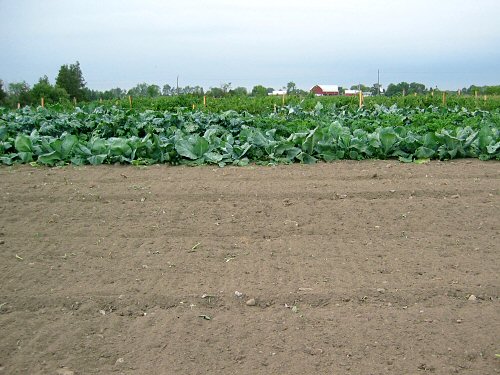
Newly released from row cover, five new beds of brassicas (cabbage, broccoli, cauliflower, kale) get ready for Fall. Beyond, tomatoes (and beyond that, the farm across the road, they gather honey). In front, a vacated section that contained the season’s first planting of peas seeded way back in April, and is now awaiting a mid-August green manure cover crop of…oats! And still, no rain…