A day in the sun

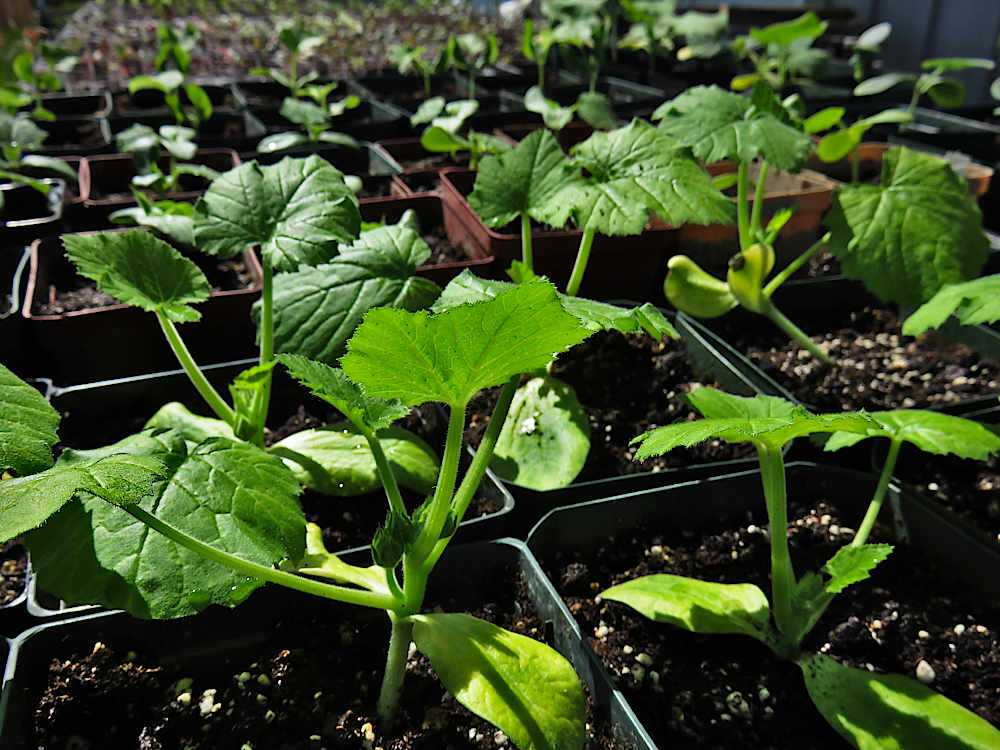
Seedlings hardening off in the sun

I’ve been hardening off trays of seedlings over the last few days, a few at a time, taking them out from the under the lights. Today, they were all outdoors, some for their first taste of the sun. It’s a manual routine, walking back and forth from the light racks with one or two trays at time, then bringing them back in in the early evening. I like it: a clear, simple, straightforward task, and the most important thing to do when you’re doing it. This is also exactly the type of routine that’s perfect for automation, or at least, optimization.

To grow a fair bit more than this year, I would put seedlings out in an unheated greenhouse where they’d stay until transplanting. That brings more convenience and efficiency, and also a few extra concerns. Voles tend to burrow in and munch on greens, so checking the perimeter becomes a thing to do. Daytime temperature in the greenhouse shoots up to 40°C+ (104°F+) on a sunny day, so ventilation is a must. When you open the doors in the day, you have to close them at night against cold and critters, and open them again early the next day. If the forecast is for freezing overnight, row cover placed in the evening and removed in the morning can handle a few degrees below (in a more extreme cold situation, a portable heater fired up in the middle of the night might be necessary).

Then there’s the new super-high winds that started happening around here within the last five years or so, there’s extra concern about the whole greenhouse staying up—mostly not in your control, but you still think about it with every weather warning!

Nothing wrong with scaling up and improving efficiency, while every step to bigger has its complications!

The rain and the sun

Blue sky chasing rain clouds

Today was rained out. Too wet to do fieldwork. A few hours of heavy clouds and on-and-off rain followed by brief periods of semi-blue skies, followed by more clouds and rain. The free irrigation is excellent, as I’ve already started to water in new seedings in the field. But—there’s almost always a “but”—a lot of cloudy weather, not enough sunlight, slows things down. A week of mainly clouds, which is what the forecast predicts right now, means noticeably slower germination and growth. It’s not complaining, it’s just observing the balance between sunlight, water and temperature, hoping for the right mix for the vegetables that’s pretty hard to come by!

Lettuce pops!

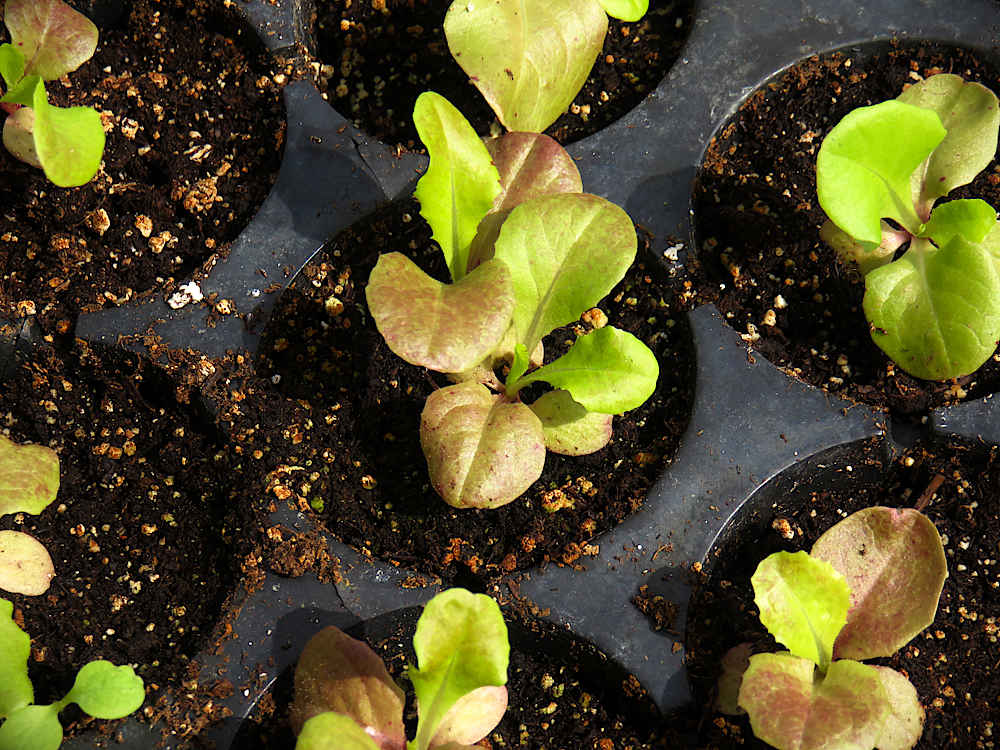
Lettuce seedlings first pop

“Pop” isn’t the most elegant, poetic word, but that’s what I thought the first time I noticed how plants can suddenly shoot up overnight. It’s feels like magic, especially when you’ve been obsessively focused practically hour by hour on their progress, as I was in my first year of farming. Crops are growing slow and steady, then you turn around for a minute and they’re suddenly transformed: bigger, more vibrant colors, next level! As if they POPPED into a new form, like in a cartoon. Plants can pop right through their growth, from when they’re tiny seedlings (some, like corn and pole beans, grow so fast in the field that you can imagine staring at them for a while and being able to actually see them grow). It might not seem like much to look at, but to the watchful eye, these lettuces just popped. Nice!

Tomato seedlings compared

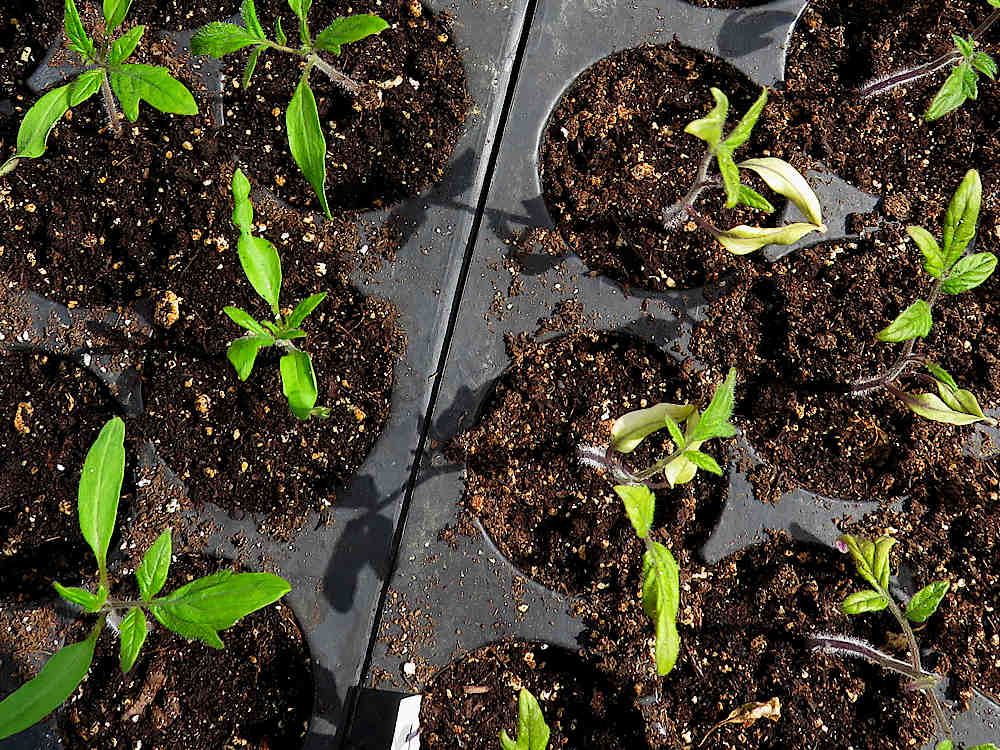
Tomato seedlings compared

The Big Beef tomatoes on the left look so much bigger, healthier, greener, than the ones right, and they were planted a couple of weeks later. Both are in the same sized plug sheets. Both get the same time under the lights and out in the sun. Hmm…

This year, I’ve been planting smaller quantities more often, to see how a small batch approach works in our unpredictable weather. Instead of putting in four rows of carrots now, I’ll put in two now and two more in a week or so. It’s an experiment. The hard part is actually keeping track of the observations over time, so that later, there’s…data. More to come!

Sundown on another cloudy day

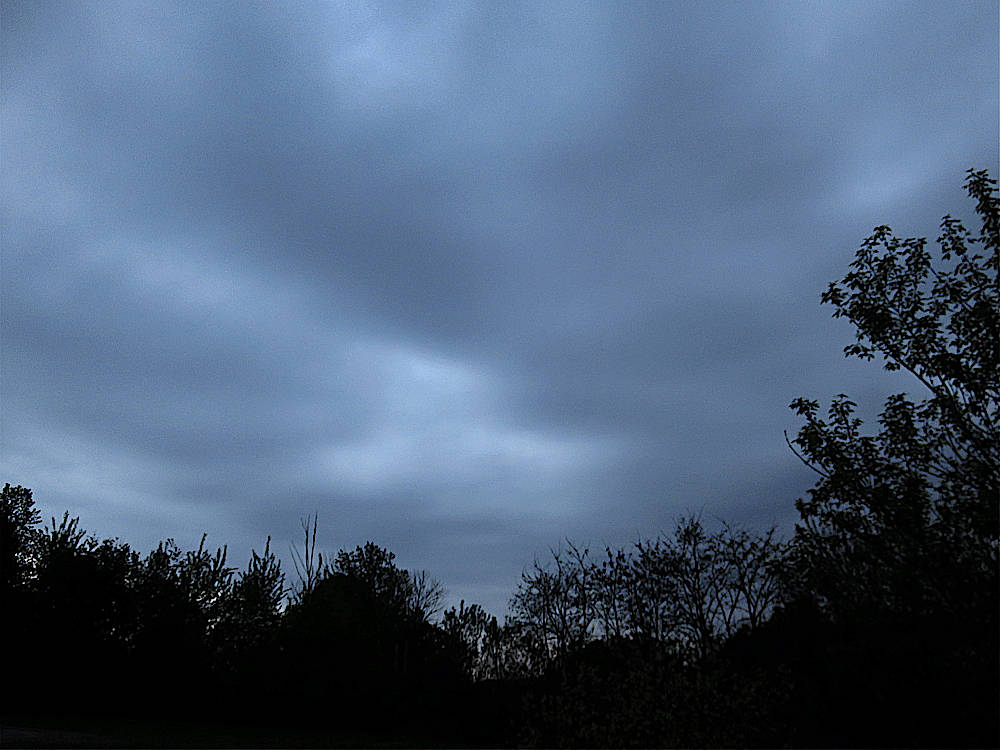
Sundown on a cloudy day

Mainly cloudy seems to be the theme of this stretch of weather. It’s been about a week of mostly overcast and grey, with some rain here and there. The forecast calls for at least a week more of the same. At this point, not the worst. It’s been nice and warm, day and night, with not so much rain that the field stays soggy. Lots of growers with various things already in the field are no doubt wishing for a lot more sun, but here…it’s fine as is for now. :)

Spinach in the field

Yay, spinach! Seeing direct seeded crops germinate is one of the most satisfying things in the field. Here, it’s spinach, Reflect variety, seeded a few days ago, coming up nicely. In general, seeds do germinate, that’s a good starting point. But there are lots of variables, and the unpredictable weather extremes that have become the new normal don’t help. Is the seed new this year, or has it been around for a year or more? What conditions does the particular veg like: ground always wet until germination, soil temperature not too low or too high, seed not too deep or too shallow, and so on. It sounds more complicated than it is, only because, as a tiny farmer, you have little control over any of it. You lay seed down at a reasonable depth, water it in, watch, hope for the best, and prepare to reseed if things don’t go your way!

Looking tiny by comparison, you can also see redroot pigweed seedlings popping up. They’re easy to handle if weeded early. Otherwise, a no-joke garden invader!