New seedling room: getting there!

It’s slow and steady with the new seedling room. I’ve only managed to commute to the new farm for one or two days a week this month. It’s a little frustrating, watching the time go by, but I guess it’s good for building up energy for all the stuff to come in the next three months—meanwhile, I’m working on the garden map and other plans at the old farm end! Today, it was more building, with Bob lending his old school, all-purpose expertise, and we got a lot done. A good day! The last wall, the open one (the other three are against concrete block), is in and covered with Typar weather wrap (above). This finally makes four walls to keep a little HEAT in. Now, instead of working in subzero temperatures, we can work in the comfort of a few degrees above. It really makes a difference! So, the wall framing is done, with only the ceiling to go.

Doors and windows? One of the two doors is hung. The other one was a bit of a concern. A standard door was still a couple of inches (5cm) too high. Choices: either build a door, pay hundreds of dollars for a custom built one, OR, bash the concrete sill, made of concrete blocks filled with concrete and stones, to make the extra height. We chose option #3. It actually didn’t take too long to sledgehammer and clean with a masonry chisel, maybe half an hour, and now we have a good 6 inches (15cm) to play with. The openings for the two windows are fine, they’re framed, the windows have to be shimmed and screwed in place. Two or three more good work days, and the new seedling room will be snug enough to set up the light racks and start some onions! And leek!

Drive shed revisited

Here’s a view of the west-facing side of the drive shed that I seldom notice, although it’s right beside the gate to the market garden field—during the growing season, I walk by it several times a day. It’s the little window that I always find mysterious, and that I might or might not remember… The upper level of the drive shed is a dim jumble of well-picked-over storage, stuff gathered over the decades, including some old, horse-drawn plowing gear. I haven’t been up there much, no need. It’s like that for a few areas of the farm. I’ve only been through the woods and down to the natural pond a handful of times (well, it is kinda boggy for most of the year). I’ve yet to explore the unused silo. And there are just so many ANGLES to view the place from, that I didn’t get to much in the daily market garden routines—other spots I’ve walked by literally thousands of times. As this farm gets set to move into new hands, I figure it’s a good idea to intentionally snap a few extra photos. For the record!

Flashback: Harvest share!

CSA harvest share

Round about this point in the year, especially with the frozen, white winter we’ve been having this time around, it’s easy to forget what the full-on summer veggie garden is really like! That’s  the beauty of living in a cold-weather climate—you get to marvel again and again. As a reminder of what the other end of the year (usually) looks like in the market garden, here’s a snapshot from a harvest past. Fresh veg. I guess it’s what all this fuss is about! :)

Organic certification…

While Obama gets sworn in before the eyes of the world (mine included, on a one-day return to the news), I’m contemplating the stack of paper that leads to organic certification. No connection, today just happened to feel like the day to do it…

We’ve been discussing for a while whether to certify the new farm. The old farm has been certified for six years, right from the start. Back then, I did it because it seemed like the thing to do. Right now, I’m a lot less certain of its value to the truly tiny farm.

In the end, if you’re providing organically-grown local food directly to real, live people—field-to-fork, face-to-face—why would you need a whole bureaucracy and set of regulations and a CERTIFICATE, to assure folks of what they can see for themselves by visiting the farm in person?

If only the world were that simple and straightforward.

We’re getting certified because possessing the right paper does have its advantages, it’s a way to show you are what you say you are, to people who don’t know you first-hand… It may come in handy! That’s our reason for now.

So it’s filling out time. The main application is 25 pages of questions, and there are a couple of extra forms, lists and farm layout maps to include.

Some questions are multiple choice, others are open-ended, and while there are no real “right” answers, answers either do or do not comply with the organic production rules. Compliance is what counts.

The actual production standard is pretty cool, it covers every aspect of organic growing and marketing in great detail—being able to fill out the application means you’ve gotta know some things! :)

The binder is full of previous applications and responses, inspector’s reports, the 60 pages or so of the Canadian organic standard, the US organic standard, in case we want to certify to that, too (they’re pretty much the same on the basics), and various bulletins and notices. Lots of paper.

It looks like a fair bit. In fact, once you’re certified, unless there are big changes in your farming, each year’s renewal application is mainly copying everything from last application and sending a check. After that, an inspector will show up, look around, check your records—you have to keep track of fieldwork, harvests, things like that, also, keep invoices for seed and anything else mentioned the application, like fertilizer and cleaning products—ask some questions, and a couple hours later, it’s done.

Anyhow, here’s to getting the paperwork done and in the mail!

(PS: I do like the grassroots, no-cost, farmer-to-farmer Certified Naturally Grown program, which we started also certifying with last season and intend to continue with! I donated $100 to CNG for 2008, and also bought some signage and stickers. Organic certification costs about $400-500 a year for a tiny farm in Canada.)

Chickens on egg

Another (quiet) farm day, another fine distraction from the chickens’ bag of entertaining tricks: swarming on stuff! This happened to be a piece of a semi-frozen egg that I found in the deep litter. The egg had probably been buried since yesterday, insulated, frozen to the point of cracking, but not yet hard as rock. I broke it open to take a look, and accidentally dropped a big chunk. BAM, the girls were on it in a  mad rush, a totally focussed frenzy, like nothing else in the world even existed. If it was anything but the wee friendly girls, that sort of swarming would be kinda scary. As it is, it was fun to watch. Crazy chickens.

Tiny farming in January

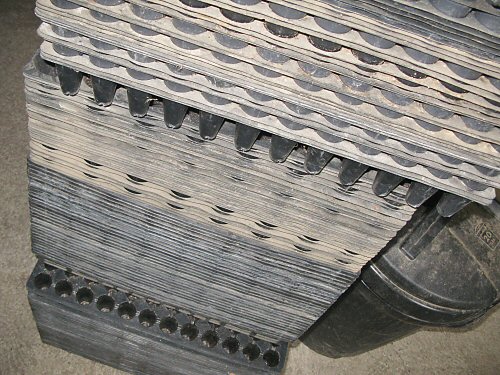
If I happened to be looking for monthly tiny farming themes, this particular January is clearly all about chickens and tools (and thinking about stuff!). It’s not the usual January routine around here. Normally, I’d be hanging the lights back on the light racks, checking out my seed starting gear—plug sheets, trays and the like get hit by a certain amount of damage and destruction each year—and generally cleaning up and rearranging the Milkhouse for seedling production. This year, with the move to the new farm, there’s nothing much to do on this end, until the new seedling room is built. So, it’s been back and forth—this weekend was there. The tools in the photo, a fairly small part of my ever-expanding collection of essential farm maintenance gear, aren’t what’s mostly being used, it’s mainly the chop saw, sawzall, cordless drill, and a lot of measuring and marking as we frame and insulate the lower barn space. But I’ve been lugging this chest each way, just in case I need tools at either end… As for the chickens, well, it’s water, feed and eggs every day!

Winter light

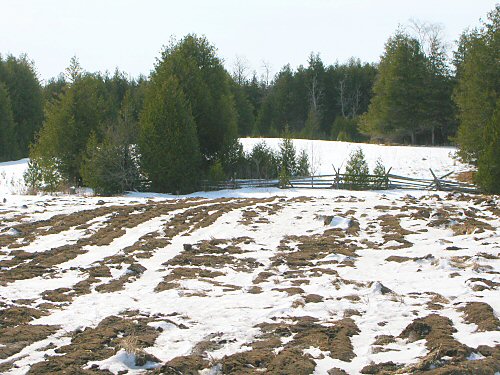
Mid-January, 5pm and still light out. This is the view to the west, with the big barn just out of frame to the left, looking past the loafing barn yard to the second, 11-acre pasture—the 9-acre field where the market garden lives is directly to the right—and then the trees. At the end of the rail fence in the foreground is the gate where the cows come home at night. It’s bitterly cold, my fingers are going numb after only a couple of minutes on the camera, but I’m enjoying the sunset, out here in the deep freeze, thinking about all the work ahead for the new-farm market garden season. It’s crazy. Cool!

1 69 70 71 72 73 167