Hitting the books: Composting!

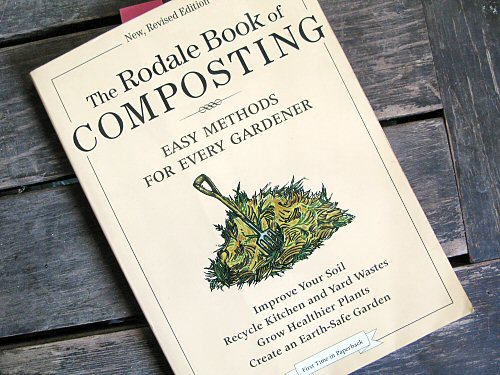
A book about composting

Winters on the tiny farm have always been a time for research and a bit of book learning. My first two seasons were crazy for reading, especially the winter before Year 1, when I had four months to pick up enough, from zero knowledge, using books and the Net, to map out the initial one-acre plot, order seed, get some gear, and “pass” the initial organic certification inspection, in order to start the market garden that spring. That was fun!

Over the last six years, though, a curious thing happened. My original urge to find out how everything worked, to soak up endless technical detail, full of labels and scientific explanations, died down quite a bit—often I’d rather watch a squash decay than read about it…

It seemed more fun to find specific, practical solutions on the farm: how to fix this or improve that. At the same time, I’ve become more and more aware of the growing process as a whole (and really, how relatively little I have to do with it…), not so concerned about its parts. It’s a little hard to explain, though real easy to feel. Maybe it’s just…a phase!

MEANWHILE, this year, Year 7, is a bit of a shake-up. Compared to the old farm, the new farm is pretty bare-bones. One big change: I don’t have the tons of well-aged, almost completely composted cow manure that was available there.

Every year, I made manure-based compost in 50′ (15m) windrows, incorporating crop residue and culled veggies, turning it with the tiny tractor, checking it out, but it wasn’t CRITICAL to fertility. A fall spreading of fine, on-farm, composted manure always did the trick!

Now, with no on-farm animals yet (chickens to come first!), and no prospect of generating huge amounts of manure, compost that relies more on plant sources will be my new friend. Composting and green manure are on my mind.

New necessities require…new learning! So along with everything else over the last 2-3 months, there’s been a more intense hitting of the books, thinking over, chatting, scouring the Net. It’s not exactly like starting over, but it’s definitely…FRESH. I’m excited. More as it happens!

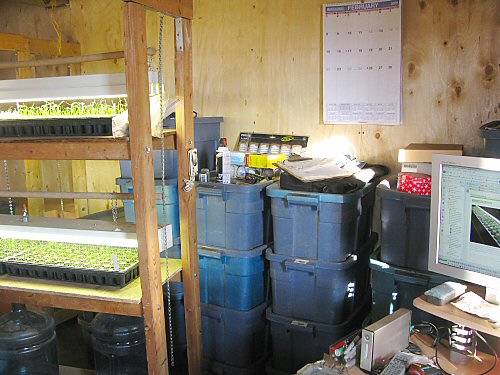
Seedling room settling in

New seedling room mainly packed up

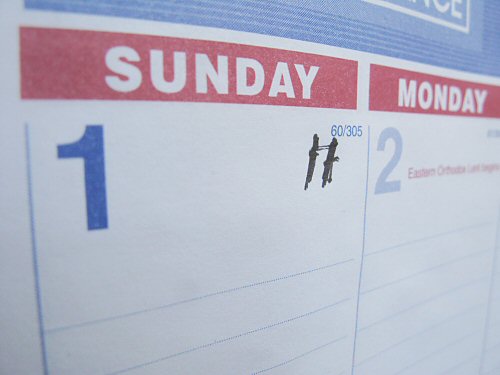
Things are moving along on all fronts, some less visible on the farm than others, like calls to locate various local suppliers, supply runs to the nearby village (pop. 2,400) and the bigger nearby town (pop. 70,000), and so on. The actual UNPACKING is going at a steady pace. The photo above pretty much sums things up so far for the new seedling room. There’s still a fair bit of finishing to do,  and for that, we’re going to have to work from one side to the other, moving things back and forth. The computer is online, which is good, being able to check things out on the web is a big part of my tiny farming this time of year. I set up a couple of light rack shelves for the seedlings that’ve been started, but most of the lights are still packed away with the composting toilet. Around 25 harvest bins, doing moving duty, are still stacked, contents waiting for shelves—I labeled each one, so it’s not too hard too find stuff needed now. And the calendar is getting ready to flip again!

Tiny farm moving – Part 2

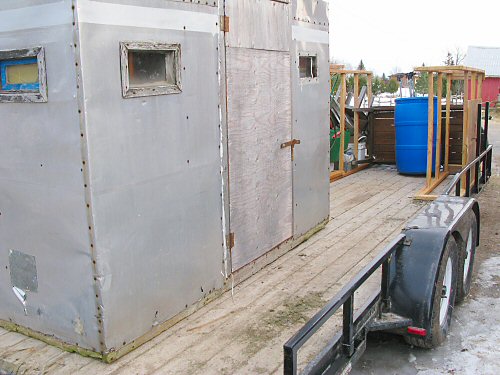
Moving day minus one. Tomorrow we take the second trailer load, the main haul (when moving a tiny farm, it’s good to have access to a 20-foot trailer like this one, it’s Bob’s) The first move day, Part 1, was at the end of November, with the Kubota compact tractor and some other bigger stuff, like irrigation pipe, the greens-drying washing machine, the Horse rototiller, heavier things. This time around, it’s all of the smaller, indoor tiny farming gear: seed inventory, light racks, plug sheets and other seed starting tools, books, computer, PAPERS (lots of paper, somehow, bins full of notes, print-outs, brochures, receipts, you name it), hand tools, and so on and on. The one big item is the composting toilet, complete with its converted ice fishing hut enclosure (which is crammed with fluorescent light fixtures and plug sheets for the move). We did a bit of loading today, but most will happen tomorrow morning. After this, there’s a final trailer load in March: John Deere riding mower, greenhouse, farm stand, a heap of valuable scrap lumber. Moving an entire line-up of tiny farming gear is a really interesting way to see exactly what STUFF we think it takes to grow food on a small scale, on a couple of acres. Of course, the equipment list can vary a lot from tiny farm to tiny farm, but this overall set-up is probably pretty similar to the majority of North American under-five-acre farms. It’s not SO much gear, but we still rely on a lot to grow. A lot more than a handful of seed and a pointy stick!

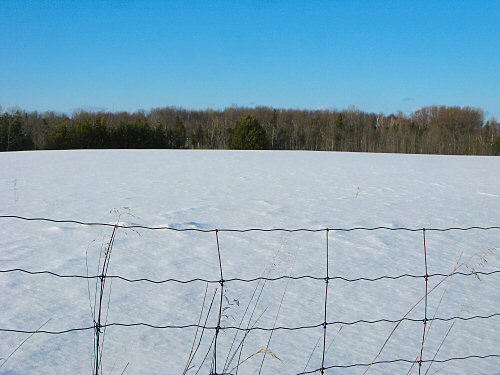
North field in snow

The North Field—I think that’s what I’ve taken to calling it; there’s also the South Field and the South Slope—somewhere around two acres including the sloping perimeter, is the main market garden at the new farm. It looks suitably inscrutable under more than a foot of unbroken snow: what does the soil under there have in store? My look-around in November didn’t turn up anything immediately alarming, and that’s mainly what I looked for, things that could make farming these fields really tough. The few handfuls of soil I dug up were a nice clay-loam similar to the old farm. I didn’t find any super-invasive and tenacious quack grass, and the equally troublesome Canada thistle showed up only here and there in the strips beside the fences and paths. So far, so good, but that’s only the most obvious stuff. On the list of a million things to do over the next three months to get ready for the May plant-out, beginning to know the soil and the lay of the land is way up there. We’ll soon find out. For now, I have to wait…

Main order done!

Five hours and done! This year’s main seed order was a first: finished in one session! Usually, it takes two. My head was starting to spin a little, but I felt COMPELLED by the late date to keep going (although I don’t think I’ve ever been much earlier, I always just plan to be). Guess I’m getting…better. A small order went in a while ago, for early starters like onions. This is all the rest!

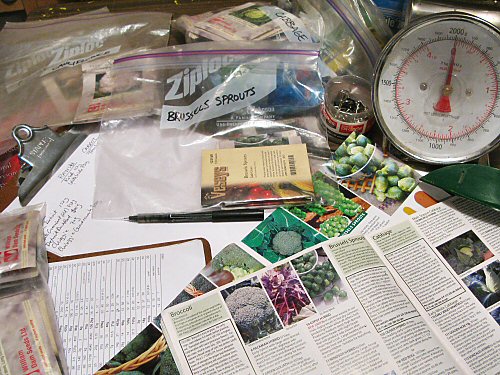
It’s a comfortably familiar routine. I cleared an end of a work table and set things out. A couple of clipboards, one with the always-handy, slightly magical  seed calculator sheet. Catalogs from the main two seed houses I use. A scale for weighing heavier seed, and seed in larger quantities. A seed scoop for checking what’s left in packets (pour out, pour back!). Tiny (3/4″/19mm) bulldog clips, great for clipping together packets. And sitting by the table, three Rubbermaid bins that hold the precious seed inventory in freezer-weight ziploc storage bags.

First, I weighed the bulkier stuff: beans, peas, larger quantites of beets, radish, and so on, stored in their own bags. Then, I settled in, going through ziplocs, more or less alphabetically, from arugula to tomatoes. See what’s left, decide what more I need. Check the catalogs, try not to go wild with extra packets of stuff, “just to try”—the amount of seed needed per veggie is already worked out on that calculator sheet. A few of the ziploc bags have only a couple of packets of seed, each a different variety, like the Brussels sprouts in the pic. Most have 10-20. Tomatoes are getting near 200. It’s a lot to go through, but it’s like hooking up again with old friends. Easy. Fun. And I’m done!

Organic certification…

While Obama gets sworn in before the eyes of the world (mine included, on a one-day return to the news), I’m contemplating the stack of paper that leads to organic certification. No connection, today just happened to feel like the day to do it…

We’ve been discussing for a while whether to certify the new farm. The old farm has been certified for six years, right from the start. Back then, I did it because it seemed like the thing to do. Right now, I’m a lot less certain of its value to the truly tiny farm.

In the end, if you’re providing organically-grown local food directly to real, live people—field-to-fork, face-to-face—why would you need a whole bureaucracy and set of regulations and a CERTIFICATE, to assure folks of what they can see for themselves by visiting the farm in person?

If only the world were that simple and straightforward.

We’re getting certified because possessing the right paper does have its advantages, it’s a way to show you are what you say you are, to people who don’t know you first-hand… It may come in handy! That’s our reason for now.

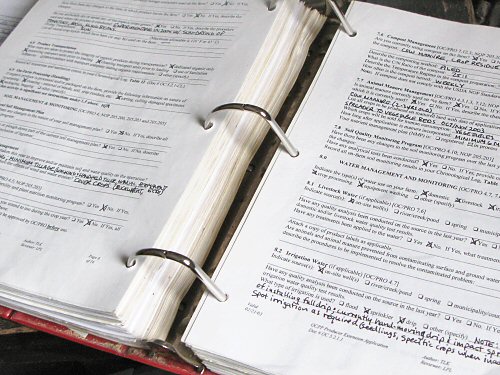
So it’s filling out time. The main application is 25 pages of questions, and there are a couple of extra forms, lists and farm layout maps to include.

Some questions are multiple choice, others are open-ended, and while there are no real “right” answers, answers either do or do not comply with the organic production rules. Compliance is what counts.

The actual production standard is pretty cool, it covers every aspect of organic growing and marketing in great detail—being able to fill out the application means you’ve gotta know some things! :)

The binder is full of previous applications and responses, inspector’s reports, the 60 pages or so of the Canadian organic standard, the US organic standard, in case we want to certify to that, too (they’re pretty much the same on the basics), and various bulletins and notices. Lots of paper.

It looks like a fair bit. In fact, once you’re certified, unless there are big changes in your farming, each year’s renewal application is mainly copying everything from last application and sending a check. After that, an inspector will show up, look around, check your records—you have to keep track of fieldwork, harvests, things like that, also, keep invoices for seed and anything else mentioned the application, like fertilizer and cleaning products—ask some questions, and a couple hours later, it’s done.

Anyhow, here’s to getting the paperwork done and in the mail!

(PS: I do like the grassroots, no-cost, farmer-to-farmer Certified Naturally Grown program, which we started also certifying with last season and intend to continue with! I donated $100 to CNG for 2008, and also bought some signage and stickers. Organic certification costs about $400-500 a year for a tiny farm in Canada.)

Winter light

Mid-January, 5pm and still light out. This is the view to the west, with the big barn just out of frame to the left, looking past the loafing barn yard to the second, 11-acre pasture—the 9-acre field where the market garden lives is directly to the right—and then the trees. At the end of the rail fence in the foreground is the gate where the cows come home at night. It’s bitterly cold, my fingers are going numb after only a couple of minutes on the camera, but I’m enjoying the sunset, out here in the deep freeze, thinking about all the work ahead for the new-farm market garden season. It’s crazy. Cool!