The family that digs together…

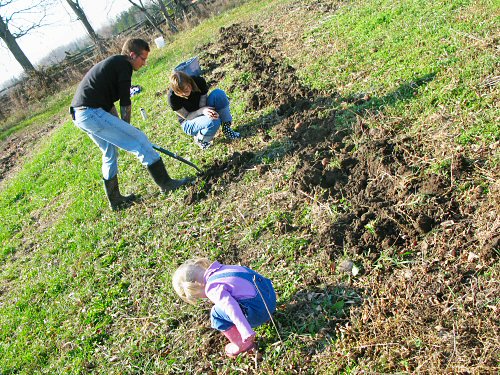
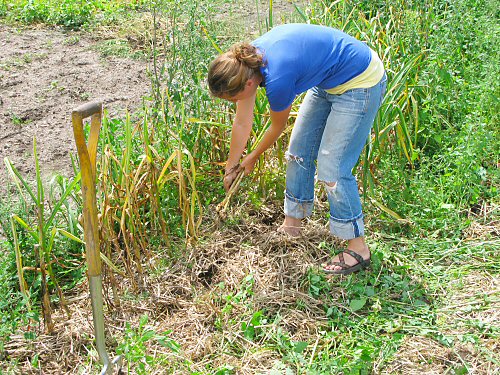
We’re still digging potatoes! Ryan, Corrie and their youngest, Hannah, came out today to salvage some potatoes. There are still a few 50′ (15m) beds of Chieftan and Kennebec. With all the rainy summer and wet ground, a lot of the potatoes were coming up with rotten spots (I heard this from other growers at the farmers’ market as well). With lots of sorting needed, and quite low yield in some rows, I decided to harvest the post-season balance only as needed. I mowed down the whole potato plot and invited anyone who wanted to dig. It looks pretty scary, in this particular spot, grass and other weeds didn’t take long to start taking over, but in the bright sunlight, it seems a lot worse than it is (a bit of tilling and left to overwinter, and it’d be right as rain). To find the treasure, locate a couple of the dried potato stems—they’re short but easy to ID once you know what you’re looking for—then dig in a line! The haul of crisp, red skin-white flesh Chieftan potatoes was pretty good! The fall harvest continues…

New farm revisited

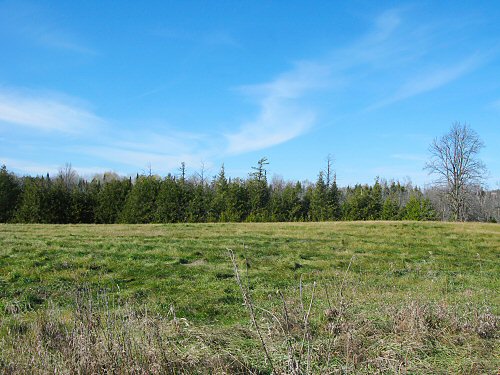
Spent the day at Tara & Michael’s farm, my second visit, and a beautiful day it was. I took the time to walk around alone, checking out the fields for veggie garden locations. It was a great feeling, deeply exciting, to look out over new farmland, and start to apply all of the things I’ve learned from six seasons of tiny farming in one place to another. The field in the pic has about two acres of fairly flat land that looks good. There’s also a south-facing slope that looks perfect for a small, early spring garden to take advantage of the faster post-snow drainage and quicker soil warming that a southern incline provides. I checked for twitchgrasss (nope!), and signs of other invasive weeds (it’s all hay that’s grown out to mainly grass). From a couple of samples, the soil seems like a clayey loam, similar to what I’ve been working, but it’ll be easier to see when it’s plowed up. Looks good so far, clean and ready for tiny farming action! Nothing like a fresh challenge to force you to review your thoughts and experiences, and discover conclusions you may not even know you’d come to. At least, that’s how it feels for me. Change is in the air! It’s excellent!!

Finally, frost!

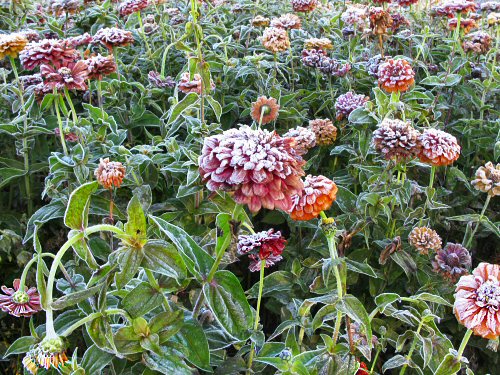
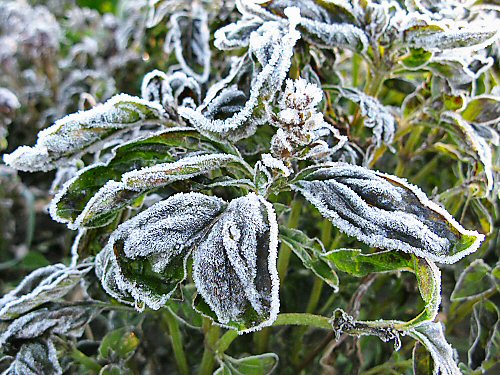
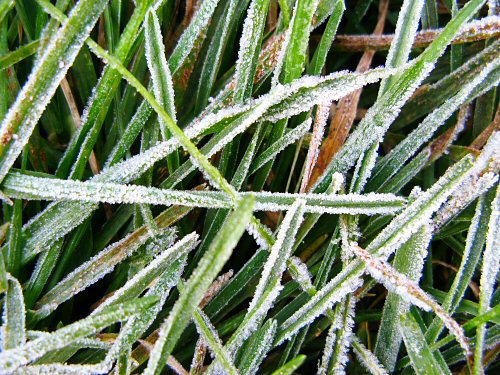
Overnight, the first real killing frost finally hit. A couple of nights it had gotten close, touching some plants in the field, but this was the real deal. At 8am, the lower end of the garden was still in the shadow of the drive shed, and the frost still hadn’t burned off. Basil (above), the tenderest crop in the field, is the first thing I check in the morning for frost damage. Right beside, the zinnias are goners, but still holding color—as the day progresses, they’ll shrivel and turn brown…

All in all, nothing unexpected or terrible—sooner or later, frost always arrives, and this time, the eggplants and peppers under row cover did fine. Besides, frost in the early morning light is pretty…

First frost misses

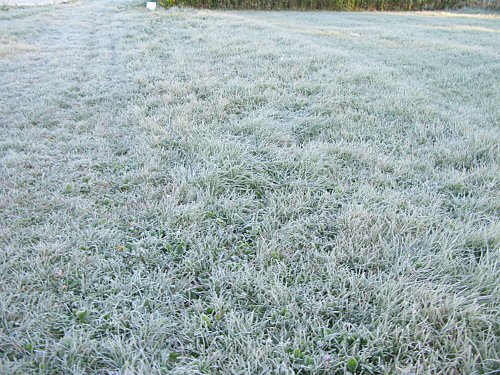
Frost finally hit the garden…but it missed the veggies! Just after sunrise this morning, there was ice on the grass at the very bottom of the field, but it stopped maybe 10′ feet from where the garden begins. Pretty cool. There’s a gentle slope from a high point about two-thirds of the way up the garden, and cold air flowed downhill and pooled at the very bottom of the field. Fun with science: when there’s no wind to mix things up, cold air rolls with gravity along the ground!

Garlic all in

Harvested in three parts over the last week, the garlic is now all in! This crop seems to’ve done well once again (I LOVE growing garlic!). For the first time, there’s a small pile of damaged goods, water-logged from all the rain. But overall, things are looking good. The combination of oat straw (from last fall’s cover crop) and grass mulch worked great (below)—weeds were kept down, and although the paths weren’t as heavily mulched as around the plants, they weren’t bad. We’ve been having trouble starting the riding mower, which means no trailer, so the tractor bucket took its place for transport duties. The garlic is stacked on pallets in the barn. Lynn seems to’ve taken to garlic harvesting and went to town: fork and pull, fork and pull…around 3,000 garlic bulbs hit the local food chain!

Scaling up the grass mulch

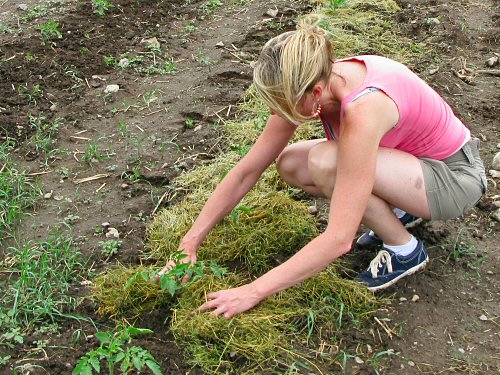
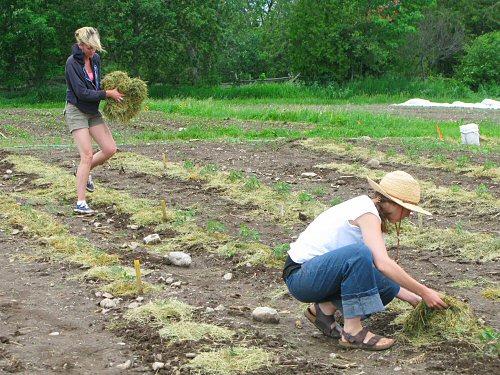
Not the nicest weather today, but good for gardening: not too hot (finally) and not too wet. The grass mulch experiment continues. With all of the recent rain, there’s been good growth, and I’ve cut and gathered quite a bit. Still, the volume of grass mulch available earlier in the season is still unknown, and it takes a lot to cover just one section. Here, Raechelle and Melissa (first time in the field) mulch tomatoes…

Grass mulch, Season 2

Mowed grass in field surrounding the market garden

The grass seemed just long enough for a productive mulch cut without overloading the John Deere riding mower, so today was the day to start season 2 in the grass mulch experiment. This is just one part of the total mowing area: including the field perimeter and another big area behind where I’m standing to take the photo, there’s maybe four times that much (this area is being kept clear for the eventual bigger greenhouse). The JD’s deflector forms those nice mini-windrows instead of scattering the cut, making raking it up much quicker. I’m still not sure if the time it takes to mow, hand-rake and bag will be worth it on a larger scale: will the work be offset by savings in irrigation and weeding, and maybe better yield, for the crops that’ll be mulched? It takes a lot of big, packed leaf bags to properly mulch just a few beds… Well, we’ll soon find out!