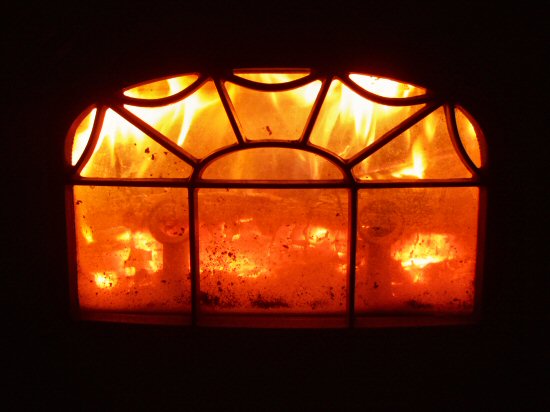
Wood heat

Wood stove

Nights are getting chilly, and a few days ago, in the evenings, we started lighting the wood stove at Kendall’s house in town. It takes some skills. Paying attention to the mechanics of heating was never part of the mix in my few years of winter farm living. It was either central heating by oil furnace, or with electric space heaters, and both ways, really no different from city life convenience: adjust a thermostat or click a switch, pay the bill, and that was that. Pretty mindless.

Here in town with Kendall, natural gas central heating is the main heat source, but she offsets that as much as possible with good ol’ wood heat. So, oddly enough in my ongoing tiny farming career, it’s in an urban setting that I’m first learning how to build and feed a fire, adjust the air intake, get a feel for the draft in different weather conditions, safely dispose of the ashes and embers. And, of course, there’s the wood: bush cords and face cords, hardwood and softwood, well-seasoned vs. green, splitting and stacking, the never-ending quest for good kindling…

Just as your awareness of weather explodes with attention to detail and a certain urgency when you go from city supermarket life to growing food, the same thing happens when you become intimately involved with fending off the winter cold (especially here in Canada, where you can literally freeze to death!). Only a few days of casual evening fires in relatively mild temperatures, hovering around freezing, and already I’m hooked! So much to learn, so little time… :)
New seedling room: getting there!

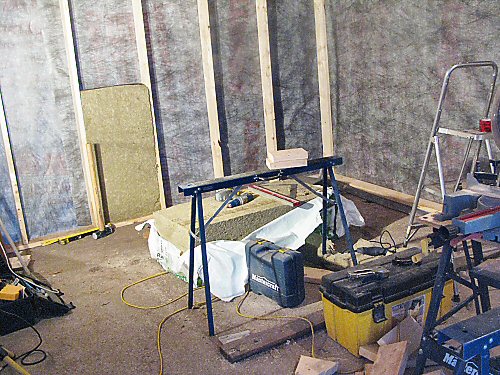
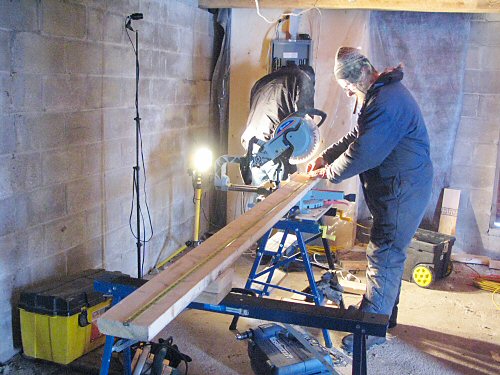
It’s slow and steady with the new seedling room. I’ve only managed to commute to the new farm for one or two days a week this month. It’s a little frustrating, watching the time go by, but I guess it’s good for building up energy for all the stuff to come in the next three months—meanwhile, I’m working on the garden map and other plans at the old farm end! Today, it was more building, with Bob lending his old school, all-purpose expertise, and we got a lot done. A good day! The last wall, the open one (the other three are against concrete block), is in and covered with Typar weather wrap (above). This finally makes four walls to keep a little HEAT in. Now, instead of working in subzero temperatures, we can work in the comfort of a few degrees above. It really makes a difference! So, the wall framing is done, with only the ceiling to go.

Doors and windows? One of the two doors is hung. The other one was a bit of a concern. A standard door was still a couple of inches (5cm) too high. Choices: either build a door, pay hundreds of dollars for a custom built one, OR, bash the concrete sill, made of concrete blocks filled with concrete and stones, to make the extra height. We chose option #3. It actually didn’t take too long to sledgehammer and clean with a masonry chisel, maybe half an hour, and now we have a good 6 inches (15cm) to play with. The openings for the two windows are fine, they’re framed, the windows have to be shimmed and screwed in place. Two or three more good work days, and the new seedling room will be snug enough to set up the light racks and start some onions! And leek!

More cold-weather construction

A fairly productive Saturday of building out the new seedling room in the freezing cold (-15°C/5°F), with Michael and Bob (he dropped by to help for the day). By sundown, we had about half of the framing done, slow going with the cold, and the joists in the ceiling to work around. The propane space heater I used to use for emergency greenhouse heat barely made a difference with all of the drafts around the old barn doors and windows.  This winter work is nowhere near as fun as rough carpentry in warm weather, but it felt good to get stuff done.  And we’re still on schedule—seedlings soon have to start!

Seedlings away!

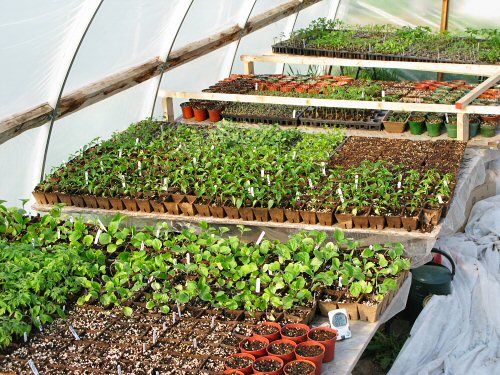
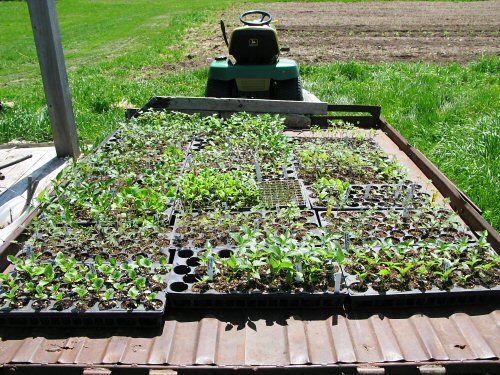
Things can change suddenly on the tiny farm. I picked today to move the majority of seedlings to the greenhouse. Although this was MUCH later than hoped for earlier this year, it’s all about the (recently COLD) weather, and I didn’t want to spend much on heat. But you can’t wait forever. There’ll probably be at least a couple of freezing nights in the next two weeks, but it IS getting to mid-May, and these guys will be out in the field, one way or another, before the end of the month. So, it’s out of the Milkhouse and onto the trailer behind the little John Deere riding mower for a little trip…

The greenhouse tables are now just about full, and that’s with a fourth one added a week or so ago. Plus, there are a few more trays of plug sheets on the ground off to the right. Lots more seedlings than ever before… On the closest table, there’s the (excellent) digital min-max thermometer/hygrometer, recording critical highs and lows, right after the fact! New this year are those red and green plastic pots (with cukes, squash, pumpkins, melons)—I decided to stop using the 3″ peat pots and try soil blocks, BUT, I didn’t feel like learning about block making right in the rush, so I used the last of the peat and then dipped into the collection of plastic pots I’ve been given over the years. (I’ll get the soil block maker in the summer, so I can play around with it first…)

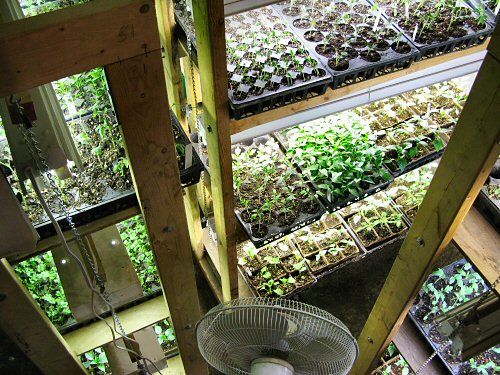
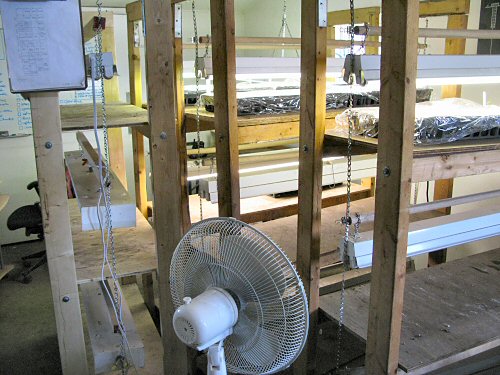
It’s always a little…sad when bright, cheerful gear goes dark and empty… There are still a few trays of really young tomatoes, brassicas, and a couple of other late-started things, but the grow rack days are just about over for the year. We’ll soon be stowing the lights and chains, and presto, instant rolling racks for harvest bins. Transplants for late spring and summer will get started in the greenhouse…

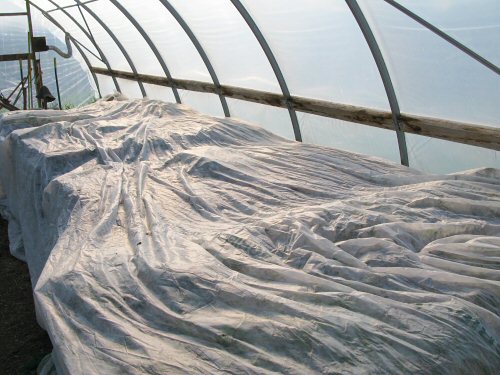
And so, the seedling greenhouse gets tucked in for its first full-house night of the season. Boy, imagine if something WENT WRONG in there… :)

Seedlings stack up

Grow racks packed with seedlings

With the cold snap about to break, the final potting up is fully underway, a few days later than last year, but no worries. Even with the new, fourth grow rack, things are tight, with four trays to a shelf instead of the ideal two—better to give ’em all an equal ration of light for a couple of days until the first wave is out in the greenhouse, than leave some of them on unlit tables. At the same time, started the cucurbits: several varieties of cucumber and summer squash, with melons, winter squash and pumpkins soon to follow. The rain so far has been good, over an inch (25mm) in the last couple of days, and a bit more apparently to come. OK, cool. Then, bring on the heat!

Chickens arrive!

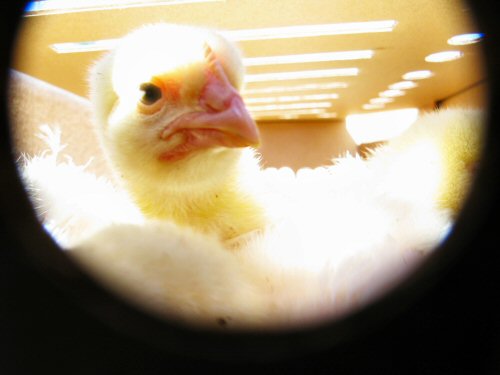
Chick through the airhole

That was fun! Picked up the CHICKENS, wood shavings, and starter feed mix at the feed store. On this beautiful, sunny day, the airy, skylighted boxes looked like a deluxe place to be for a traveling chicken. Back on the farm, wood shavings were spread and waterers filled, and then the two-week old chicks were let loose. I lifted around 20 out by hand, a start on getting to know the guys. There are 50 in all (though I forgot to do the official count while unpacking), 40 White Rock Cornish X and 10 Frey’s Special Dual Purpose cockerels, all healthy, energetic, pretty much same-sized and apparently happy, running around like maniacs, jamming themselves into intense corner huddles, and PECKING AWAY at the feed and everything else in sight…

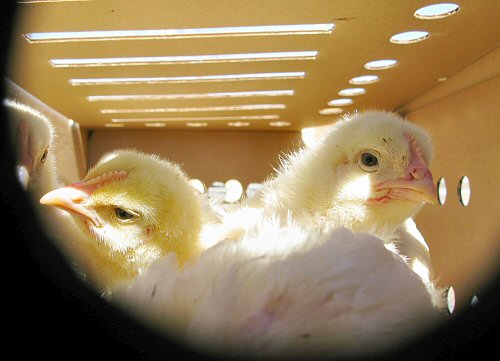
More chickens through an airhole

Yes, right from the airhole view, they’re definitely entertainment! I could watch ’em for hours (and, sorta, did…could’ve been tilling…). Chickens…

Read more

Making water

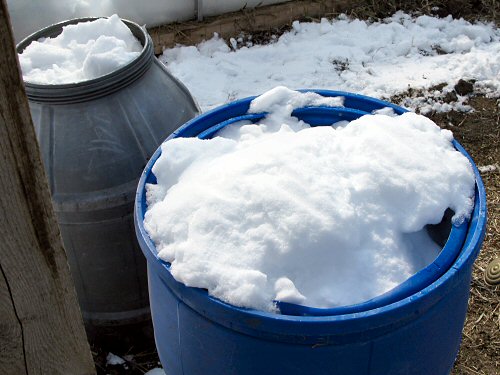
As far as winter irrigation in the greenhouse goes, melting snow in big barrels is the next best thing to a really long hose, a well and an electric pump. Fill ’em up, cover with clear plastic, wait a day (even on a dull, cloudy day, it gets up to 60°F in the hoophouse). Repeat a couple of times, and you have 50 gallons of rainwater in a barrel! The alternative is dragging 200′ of hose through deep snow from the barn to the greenhouse, then reeling it in and draining it, every couple of days. The weather has put the kibosh on the early-March, barely heated greenhouse plan, the happy prospect until March actually came around. The nights have been regularly plunging to 10°F (-12°C), so it’s really not worthwhile to heat things up by 25°F. No worries. Adjusting expectations and schedules more or less by the day is all part of the fun… It’s never boring!